Berimbau
Plucked Instruments
Africa, America, South America
Medieval to Pre-Modern (1001–1900)
Video
The berimbau is a single-stringed musical bow that stands as one of Brazil’s most iconic instruments. Its design is deceptively simple yet highly expressive, consisting of a long, flexible wooden bow, a steel string, and a hollow gourd resonator. When played, the berimbau produces a unique, resonant sound that is both rhythmic and melodic, capable of shifting in pitch and timbre with subtle movements of the player’s hands. The instrument is most famously associated with capoeira, the Afro-Brazilian martial art that fuses dance, acrobatics, and music. In capoeira, the berimbau is not just a musical accompaniment but the heartbeat of the roda (circle), setting the pace, mood, and style of the game. The instrument’s sound is immediately recognizable: a combination of deep, droning notes and sharp, percussive accents that create a hypnotic, driving rhythm. The berimbau’s role in capoeira and its distinctive timbre have made it a symbol of Afro-Brazilian culture, resistance, and creativity.
Type of Instrument
The berimbau is classified as a chordophone, specifically a musical bow. In the Hornbostel-Sachs system, it falls under the category 311.121, which describes simple chordophones with a resonating body that produces sound when the string is struck or plucked. While its construction is basic—a single string stretched along a curved wooden bow with a gourd resonator—the berimbau’s playing technique and expressive range set it apart from many other string instruments. Unlike guitars or violins, which use multiple strings and complex fingerings, the berimbau relies on the manipulation of a single string, with pitch and timbre controlled by pressing a stone or coin against the string and adjusting the position of the resonator. This simplicity gives the berimbau a raw, earthy quality, yet its versatility allows for a surprising range of musical expression.
History of the Berimbau
The history of the berimbau is deeply intertwined with the African diaspora and the development of Brazilian culture. Its origin dates back to at least the 16th century, where similar musical bows were used for centuries in rituals, storytelling, and daily life. In Africa, instruments like the mbulumbumba and ugubhu were widespread, particularly among Bantu-speaking peoples. These musical bows served not only as entertainment but as tools for communication and cultural expression. The berimbau was brought to Brazil by enslaved Africans during the transatlantic slave trade, most likely in the 16th century. As African communities established themselves in Brazil, they preserved and adapted their musical traditions in the face of colonial oppression. The berimbau became integral to capoeira, a martial art developed by enslaved Africans as a form of resistance disguised as dance. In the harsh environment of colonial Brazil, capoeira and the berimbau provided both a means of survival and a symbol of cultural identity.
Throughout the 18th and 19th centuries, capoeira and the berimbau were often suppressed by colonial and later republican authorities, who viewed them as threats to social order. Despite this, both survived and evolved, with the berimbau becoming increasingly central to capoeira practice. By the 20th century, figures like Mestre Bimba and Mestre Pastinha helped legitimize capoeira and the berimbau, leading to their recognition as vital elements of Brazilian heritage. Today, the berimbau is celebrated worldwide as a symbol of Afro-Brazilian resilience and creativity, featured not only in capoeira but also in world music, jazz, and popular culture.
Construction and Physical Structure
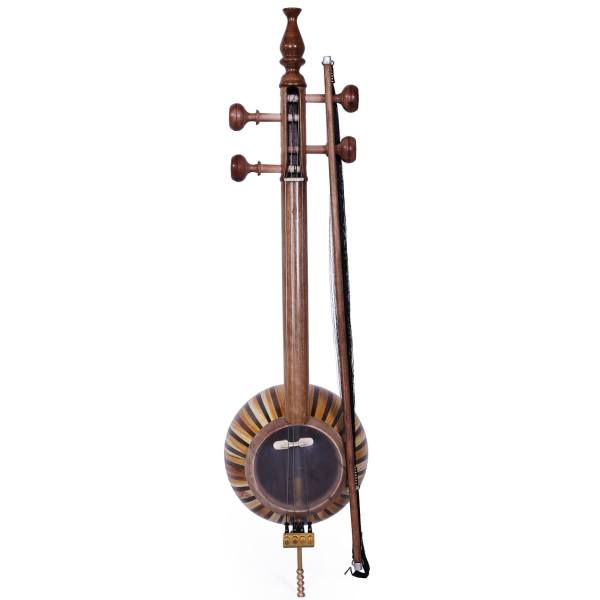
The construction of the berimbau is a testament to the ingenuity and resourcefulness of its makers. The main components are the verga (wooden bow), arame (steel string), cabaça (gourd resonator), baqueta (stick), dobrão (stone or coin), and caxixi (rattle).
The verga: It is typically made from biriba wood, prized for its flexibility and strength, though bamboo or other hardwoods may be used. It usually measures between 1.5 and 2 meters in length, with a gentle curve that gives the instrument its characteristic shape. The arame, or string, is traditionally made from recycled steel wire, often sourced from old tires or fencing. This single string is stretched tightly from one end of the bow to the other, secured by notches or loops.
The cabaça: It is a hollowed-out gourd, is attached near the lower end of the bow. The gourd acts as a resonator, amplifying the sound of the vibrating string. The size and shape of the gourd greatly influence the instrument’s tone, with larger gourds producing deeper, more resonant sounds and smaller ones yielding higher pitches.
The baqueta: is a thin wooden stick used to strike the string, typically held in the right hand. In the same hand, the player often holds the caxixi, a small wicker rattle filled with seeds or beads, which adds a rhythmic texture to the sound. The left hand holds the berimbau at the point where the gourd is attached, with the thumb and forefinger gripping a stone or coin (dobrão). By pressing the dobrão against the string, the player can alter the pitch and create a buzzing effect, further expanding the instrument’s sonic palette.
The physical structure of the berimbau is both robust and lightweight, allowing for easy transport and dynamic performance. Its handcrafted nature means that no two berimbaus are exactly alike, with variations in wood, gourd, and string contributing to each instrument’s unique voice.
Types of Berimbau
Within the world of capoeira, there are three main types of berimbau, each distinguished by its size and pitch: the gunga, médio, and viola.
The gunga is the largest berimbau, equipped with the biggest gourd and the thickest string. It produces the lowest, most resonant tone and typically leads the rhythm in a capoeira ensemble. The gunga’s deep, booming sound provides a solid foundation, anchoring the music and guiding the players’ movements.
The médio is medium-sized, with a slightly smaller gourd and thinner string than the gunga. Its pitch is higher, and it often plays a supporting role, weaving rhythmic patterns that complement the gunga and viola. The médio acts as a bridge between the low and high voices, adding complexity and drive to the music.
The viola is the smallest berimbau, featuring the smallest gourd and thinnest string. It produces the highest pitch and is known for its agility and improvisational flair. The viola often plays intricate melodies and syncopated rhythms, adding excitement and spontaneity to the capoeira roda.
In a traditional capoeira ensemble, all three types of berimbau may be played together, creating a rich tapestry of sound. Each type has its own role, but all are essential to the dynamic interplay that defines capoeira music. Some players may also customize their berimbaus with decorative carvings, painted designs, or unique materials, reflecting personal style and regional traditions.
Characteristics of the Berimbau
The berimbau’s most distinctive characteristic is its sound: a blend of deep, resonant tones and sharp, percussive attacks that can shift fluidly between melody and rhythm. This is achieved through a combination of playing techniques and the instrument’s unique construction. When playing the berimbau, the musician strikes the string with the baqueta while simultaneously pressing the dobrão against the string to change its pitch. By moving the cabaça closer to or farther from the body, the player can modulate the resonance, creating a wah-wah effect that adds expressiveness to the music. The caxixi, shaken in time with the baqueta, introduces a subtle rattling sound that enhances the rhythmic complexity.
1- The berimbau is capable of producing a variety of sounds, including:
2- The open string, which produces a clear, ringing tone.
3- The pressed string, where the dobrão shortens the vibrating length of the string, raising the pitch.
4- The buzz, created by lightly touching the string with the dobrão while striking it, resulting in a muted, percussive sound.
5- Harmonics, achieved by lightly touching the string at specific points.
These sounds can be combined in countless ways to create intricate rhythms and melodies. In capoeira, the berimbau’s rhythms, known as toques, dictate the style and tempo of the game. Each toque has its own meaning and function, from the slow, contemplative Angola to the fast, acrobatic São Bento Grande. Beyond its technical characteristics, the berimbau holds deep cultural significance. It is a symbol of Afro-Brazilian identity, resistance, and resilience. Its music evokes the history of struggle and survival, while its presence in capoeira fosters community, creativity, and mutual respect.
Role in Capoeira and Brazilian Culture
The berimbau is inseparable from the practice of capoeira. In the roda, the berimbau leads the ensemble, setting the rhythm and signaling changes in the game. The music played on the berimbau dictates the style, speed, and intensity of the capoeira, guiding the movements of the players and shaping the flow of the action. The instrument’s rhythms can signal when to begin or end a game, when to escalate or de-escalate the energy, and when to introduce specific movements or rituals. Capoeira is more than a martial art; it is a cultural performance that blends music, dance, and philosophy. The berimbau’s central role reflects its importance as both a musical and symbolic instrument. It embodies the spirit of capoeira: adaptability, creativity, and resistance in the face of adversity. Outside of capoeira, the berimbau has found its way into other genres of Brazilian music, including samba, bossa nova, and popular music. Its distinctive sound is often used to evoke the spirit of Brazil, appearing in film soundtracks, world music, and experimental compositions. Musicians like Naná Vasconcelos have brought the berimbau to international audiences, showcasing its versatility and expressive power.
Notable Musicians and Legacy
The berimbau has been championed by many notable musicians and capoeira masters. Mestre Bimba and Mestre Pastinha were instrumental in popularizing the instrument and elevating capoeira to a respected art form. In the world of music, artists like Naná Vasconcelos have explored the berimbau’s potential, blending its traditional sound with modern genres and introducing it to new audiences. The instrument’s legacy is evident in its continued use and celebration around the world. Capoeira schools, music festivals, and cultural events regularly feature the berimbau, ensuring that its traditions are passed on to new generations. Its sound remains a powerful reminder of the resilience and creativity of Afro-Brazilian culture.
Playing Techniques and Sound Modifications
The berimbau is played by holding the wooden bow vertically, with the gourd resonator pressed lightly against the player’s abdomen. The musician uses a thin wooden stick called the baqueta to strike the single steel string, producing the instrument’s characteristic twang. In the same hand as the baqueta, the player often holds a small rattle called the caxixi, which adds a percussive, shuffling sound when shaken in rhythm with the string. The other hand manipulates a small stone or coin, known as the dobrão, pressing it against the string at varying points to alter the pitch. The player’s thumb and fingers also control the position of the gourd (cabaça) against the body, opening and closing the sound hole to modulate resonance and volume.
There are three primary sounds produced by the berimbau: the open string (when the string is struck without the dobrão touching it), the high sound (when the dobrão presses the string firmly), and the buzz (when the dobrão lightly touches the string). By combining these techniques, the player can create a variety of rhythmic patterns and melodic phrases. The manipulation of the cabaça against the abdomen allows for dynamic shifts in tone and volume, giving the instrument expressive depth. Advanced players can rapidly alternate between these sounds, creating complex polyrhythms and syncopated patterns that drive the energy of capoeira performances. The caxixi adds another layer of rhythm, enhancing the musical texture and providing cues to dancers or martial artists within the roda.
Famous Compositions
The berimbau is most closely associated with traditional capoeira music, where it leads the ensemble and sets the pace for the martial art’s movements. Classic capoeira songs such as “Paraná ê” and “Capoeira Mata Um” prominently feature the berimbau, with their rhythmic and melodic structures built around its distinctive sound. These compositions are integral to capoeira rodas, where the music guides the flow and intensity of the game. In addition to traditional capoeira songs, the berimbau has found its way into contemporary compositions and world music. Notably, the Brazilian percussionist Naná Vasconcelos brought the berimbau to international attention through his innovative works, blending its sound with jazz, classical, and experimental music. His albums and collaborations, such as “Saudades” and performances with artists like Pat Metheny, showcase the berimbau’s versatility and its ability to transcend its traditional context. The instrument has also been featured in cinematic soundtracks and fusion projects, where its evocative timbre is used to evoke the spirit of Brazil and Afro-Brazilian culture. In these settings, the berimbau often serves as a symbol of resistance, resilience, and cultural identity.
Most Influential Players
Several figures have been instrumental in popularizing and evolving the art of berimbau playing. Mestre Bimba, one of the most influential capoeira masters of the 20th century, was pivotal in formalizing capoeira regional and incorporating the berimbau as a central element of the practice. His approach emphasized the importance of the berimbau in dictating the style and tempo of capoeira games, and his teachings continue to influence capoeira schools worldwide. Mestre Pastinha, another legendary capoeira figure, is celebrated for his dedication to capoeira Angola and his mastery of the berimbau. He helped preserve traditional forms and rhythms, ensuring that the instrument’s cultural and historical significance endured.
In the realm of contemporary music, Naná Vasconcelos stands out as a virtuoso who expanded the possibilities of the berimbau. His innovative techniques and collaborations with international musicians brought the instrument to new audiences and genres, demonstrating its expressive potential beyond capoeira. Other notable players include Mestre Suassuna, Mestre Acordeon, and Mestre João Grande, each of whom has contributed to the dissemination and evolution of berimbau music through teaching, performance, and recording.
Historical Performances or Concerts
The berimbau’s history is deeply intertwined with capoeira rodas, which are both musical performances and martial arts exhibitions. These gatherings, often held in public squares, cultural centers, or festivals, showcase the berimbau’s role as the leader of the capoeira ensemble. The instrument’s rhythms dictate the style and speed of the game, signaling changes in movement and intensity. One of the most significant historical moments for the berimbau was its inclusion in formal capoeira academies founded by Mestre Bimba in the 1930s. These academies elevated the status of the instrument and helped standardize its use in capoeira practice.
In the latter half of the 20th century, the berimbau began to appear on international stages, thanks in part to the efforts of musicians like Naná Vasconcelos. His performances at jazz festivals, world music concerts, and collaborations with renowned artists introduced the berimbau to audiences far beyond Brazil. Notable concerts include Vasconcelos’s appearances at the Montreux Jazz Festival and his participation in the World Drums Festival, where the berimbau was featured alongside percussion instruments from around the globe. The instrument has also been highlighted in cultural celebrations such as Carnaval and the Festival de Capoeira, where large ensembles of berimbau players create a powerful, immersive soundscape that celebrates Afro-Brazilian heritage.
Maintenance and Care
Proper maintenance of the berimbau is essential for preserving its sound quality and longevity. The wooden bow, typically made from biriba or bamboo, should be kept clean and occasionally oiled to prevent drying and cracking. Exposure to excessive moisture or heat can warp the wood, so storing the instrument in a cool, dry place is recommended. The steel string (arame) requires regular inspection for signs of wear or rust. If the string becomes loose or loses its tonal clarity, it should be replaced. Some players prefer to use recycled materials, such as old piano wire, for an authentic sound, while others opt for commercially available strings. The gourd resonator (cabaça) is particularly vulnerable to damage, as it is made from a dried, hollowed-out fruit. It should be checked for cracks or splits and replaced if necessary. Some musicians apply a thin layer of varnish or oil to the gourd to enhance its durability.
The dobrão, baqueta, and caxixi are relatively low-maintenance but should be kept free of dirt and moisture. The caxixi, often woven from natural fibers, can deteriorate over time and may need to be replaced periodically. Transporting the berimbau requires care, as the long, flexible bow can be easily bent or broken. Many players use custom cases or padded bags for protection during travel. Regular attention to these maintenance practices ensures that the berimbau remains in optimal playing condition and retains its unique sound.
Interesting Facts and Cultural Significance
The berimbau’s origins can be traced to African musical bows brought to Brazil by enslaved Africans. Instruments such as the mbulumbumba and ugubhu share structural similarities and are still played in parts of Africa today. In Brazil, the berimbau became a symbol of resistance and cultural identity, particularly among Afro-Brazilian communities. One of the most fascinating aspects of the berimbau is its role in capoeira, where it serves as both a musical instrument and a tool for communication. The berimbau player, or mestre, uses specific rhythms (toques) to convey instructions, signal changes in the game, or tell stories. Each toque has a distinct meaning, influencing the style, speed, and mood of the capoeira roda. For example, the toque “Angola” calls for a slow, strategic game, while “São Bento Grande” signals a faster, more acrobatic style. The berimbau’s design is deceptively simple, yet it offers remarkable expressive possibilities. Its sound is both melodic and percussive, capable of evoking a wide range of emotions. The instrument’s hypnotic rhythms and dynamic tones have made it a favorite among experimental musicians and composers seeking to explore new sonic landscapes.
Culturally, the berimbau is a potent symbol of Afro-Brazilian heritage. It is often featured in art, literature, and film as an emblem of resilience, creativity, and the enduring legacy of African traditions in Brazil. The instrument’s presence in capoeira, samba, and other musical genres underscores its versatility and importance in Brazilian culture. The berimbau has also inspired innovations in instrument making, with artisans experimenting with different woods, gourds, and decorative techniques. Some modern berimbaus feature intricate carvings or painted designs, reflecting the personal style of the maker or player. In recent years, the berimbau has gained international recognition, appearing in world music ensembles, jazz groups, and even orchestral settings. Its unique sound has been sampled in electronic music and used in film scores to evoke the atmosphere of Brazil.
Despite its global reach, the berimbau remains deeply rooted in the traditions of capoeira and Afro-Brazilian culture. It continues to be a source of pride and inspiration for musicians, dancers, and martial artists, serving as a bridge between past and present, tradition and innovation.
FAQ
What is the construction and material used in a Berimbau?
The Berimbau consists of a wooden bow (verga), a steel string (arame), and a gourd resonator (cabaça). It is traditionally made from biriba wood and uses a stone or coin to vary pitch. A stick (baqueta) strikes the string while a shaker (caxixi) may add rhythm.
What are the different types of Berimbau and their features?
There are three main types: Gunga (low pitch), Médio (mid pitch), and Viola (high pitch). Each has a distinct tonal role in Capoeira music. Together, they create a layered rhythmic and harmonic structure during performances.
What are the primary applications and uses of the Berimbau?
The Berimbau is chiefly used in Capoeira, a Brazilian martial art blending music, dance, and acrobatics. It dictates the rhythm and style of movements. It’s also used in Afro-Brazilian ceremonies and folk music.
 Links
References
Other Instrument
Categories