Dahu
Bowed Instruments
Medieval to Pre-Modern (1001–1900)
East Asian Traditional Instruments
Video
The Dahu is a unique and traditional stringed instrument that has a deep connection to the musical traditions of East Asia. It is most commonly associated with the folk music of China, particularly in the region of Guangxi. Though not as widely known as other string instruments, the Dahu has a distinctive sound and plays an important role in the cultural heritage of the communities where it is played.
History and Origin of the Dahu
The Dahu originates from China and is deeply rooted in the folk music traditions of the southern regions of the country, especially in Guangxi and its neighboring provinces. It is believed to have been developed during the Ming Dynasty (1368-1644) or possibly even earlier, with historical records of similar instruments appearing as far back as the Tang Dynasty (618-907 AD).
The exact year of its origin remains unclear, but it is evident that the Dahu has evolved over centuries as part of the cultural exchange between different ethnic groups in China, particularly the Zhuang people, who are one of the largest ethnic minorities in the country. The Dahu was traditionally played in rural communities and used primarily in ceremonial and social gatherings, often accompanying singing and dancing during festivals, weddings, and other significant life events. It became a key instrument in folk ensembles, creating music that spoke to the joys and struggles of everyday life.
The Dahu’s roots can be traced to the need for a portable instrument that could produce both melody and rhythm, making it ideal for accompanying vocal performances and folk dances. Over time, the Dahu gained popularity in local musical circles, and its construction and playing techniques were refined, reflecting the changing musical tastes and artistic expressions of the time.
Working Mechanism and Features of the Dahu
The Dahu is a stringed instrument, often described as a type of small, two-stringed fiddle or bow instrument. It shares similarities with other traditional instruments in East Asia, such as the Erhu and the Huqin, but it has unique characteristics that make it stand out.
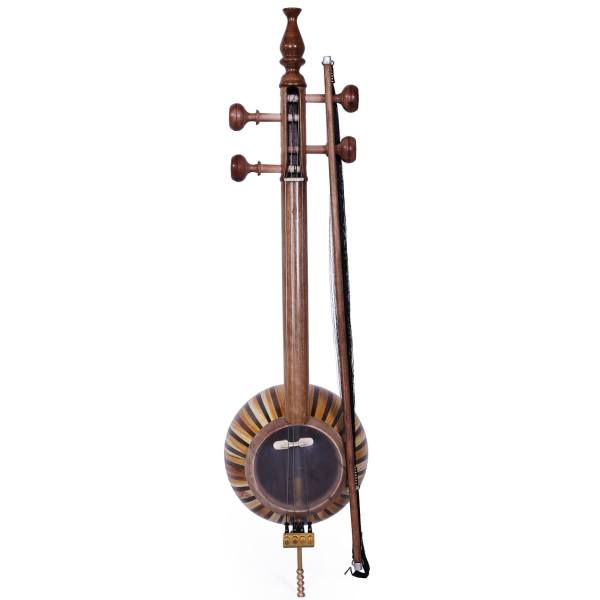
The Dahu typically consists of several key components: a long, curved neck, a small resonator body, and two strings. The resonator is often made from wood or bamboo, with some models incorporating animal skins or other materials to help amplify the sound. The body of the Dahu is typically small and round, sometimes resembling a small drum or gourd, which aids in the resonance of the instrument.
The two strings of the Dahu are stretched across the resonator and are tuned in unison or in octaves. The strings are usually made of silk or metal, and the instrument is traditionally played with a bow, much like the violin or other similar instruments. The bow is used to create friction with the strings, causing them to vibrate and produce sound. The player may also pluck the strings with their fingers, depending on the style of music and the desired sound. In terms of tuning, the Dahu can be tuned to different pitches depending on the region and the music being played. While the basic tuning is generally consistent, players may adjust the strings slightly to suit the mood or the nature of the piece they are performing. The technique of bowing or plucking the strings allows for a wide range of dynamics and tonal colors, from delicate and soft to powerful and resonant.
Types of Dahu and Their Significance
Though the Dahu generally maintains the same basic design, there are slight variations in its construction and use depending on the region and the tradition in which it is played. These variations include differences in the resonator shape, string material, and playing technique. Below are some of the more common types of Dahu:
- Traditional Dahu: The traditional Dahu features a simple design with a small, hollow resonating body made from wood, often combined with animal skin for additional resonance. The strings are typically made of silk, which gives the instrument its characteristic soft, warm tone. The traditional Dahu is usually tuned to specific scales based on the regional folk music being performed and is often played during ceremonial occasions, community events, or traditional festivals.
- Modern Dahu: In modern settings, the Dahu has been adapted for use in a variety of musical genres, including folk fusion and even contemporary music. The modern Dahu may feature synthetic materials for its resonator body or strings, making it more durable and easier to maintain. It may also be equipped with an electronic pickup to amplify the sound, allowing it to be used in larger concert settings. The modern Dahu, while still retaining its traditional playing style and sound, is more versatile in terms of its adaptability to contemporary music.
- Bamboo Dahu: Some variations of the Dahu feature a resonator made entirely from bamboo, reflecting the traditional use of natural materials in instrument construction. The bamboo Dahu has a distinct, bright, and slightly sharper sound compared to the wooden versions, and it is often used in regional folk music where bamboo is readily available. The use of bamboo gives the instrument a unique cultural and aesthetic value, as it symbolizes the connection between the natural world and musical creation.
Each type of Dahu serves different purposes in the musical world, whether for traditional ceremonies, public performances, or more modern interpretations of folk music. The regional differences in design and construction speak to the diverse musical landscapes of China and East Asia and illustrate how the Dahu has evolved in response to changing musical needs.
Music Composed with the Dahu
The Dahu is primarily used in folk music, where it plays a central role in both instrumental and vocal music. Its ability to produce both melodic lines and rhythmic accompaniment makes it an essential instrument in traditional ensembles. The music composed for the Dahu typically features repeating, flowing melodies, with the instrument playing an integral role in creating an emotional atmosphere.
The Dahu is often used to accompany singing, particularly in solo or group performances. It pairs well with other traditional Chinese instruments, such as the Pipa, Guqin, and Erhu, creating a harmonious ensemble. In solo performances, the Dahu is capable of expressing a wide range of emotions, from joyous and celebratory to solemn and reflective. Additionally, the Dahu is commonly used in regional folk dances, where its rhythmic patterns serve to guide the movement of the dancers. The instrument’s ability to blend melody and rhythm seamlessly makes it an ideal accompaniment for lively and energetic dances, as well as slower, more meditative movements. In modern times, the Dahu has found its place in experimental and fusion music, where its traditional sound is integrated with modern genres such as jazz, rock, and world music. The flexibility of the Dahu allows for a wide range of musical exploration, with contemporary musicians incorporating the instrument into various musical landscapes while maintaining its cultural significance.
The Significance of the Dahu
The Dahu holds great cultural significance in the communities where it is played. It is an embodiment of traditional Chinese musical heritage and a testament to the deep connection between music and daily life. In the past, the Dahu was a way to express emotions, tell stories, and preserve the cultural traditions of the Chinese people. Its role in both personal and community celebrations helped to foster a sense of identity and belonging.
Today, the Dahu continues to be a vital part of China’s folk music tradition. It serves as a reminder of the rich cultural history of the region and the enduring power of music to unite people. The Dahu also plays a significant role in contemporary efforts to preserve and promote traditional Chinese instruments, as well as in the global exchange of musical ideas.
FAQ
What is the working mechanism of the Dahu musical instrument?
The Dahu is a traditional stringed instrument that works on the mechanism of a vibrating string. It typically has two strings that are stretched over a hollow wooden body. The player plucks or strums the strings with a plectrum or their fingers. The vibrations of the strings are amplified by the hollow body, producing a resonant sound. The instrument’s tone can be altered by adjusting the tension of the strings or the size of the resonating body.
What are the different types of Dahu musical instruments?
There are several types of Dahu instruments, each with slight variations in size, shape, and string count. The most common types are the Dahu with two strings, which is typically used for melodic purposes, and larger versions with more strings, which can provide both melodic and harmonic accompaniment. The Dahu may also vary in the type of wood used for its body, which influences the instrument’s tonal quality and resonance.
What kind of music is composed for the Dahu instrument?
The Dahu is used primarily in traditional folk music, often accompanying storytelling or dance. It plays a prominent role in the music of various African and Asian cultures, particularly in ceremonial and celebratory settings. The music composed for the Dahu often features rhythmic patterns and melodic lines that complement the dance movements or vocal performances. The instrument is suitable for both solo and ensemble performances, offering a blend of harmony and rhythm.
 Links
References
Other Instrument
Categories