Great Highland Bagpipes
Bagpipes, Wind Instruments
Medieval to Pre-Modern (1001–1900)
European Folk Instruments
Overview
The Great Highland bagpipes are a traditional Scottish bagpipe instrument known for their powerful sound and ceremonial role in Scottish culture. They are the most widely recognized type of bagpipes in the world and are closely associated with Scottish military traditions, pipe bands, and cultural ceremonies.
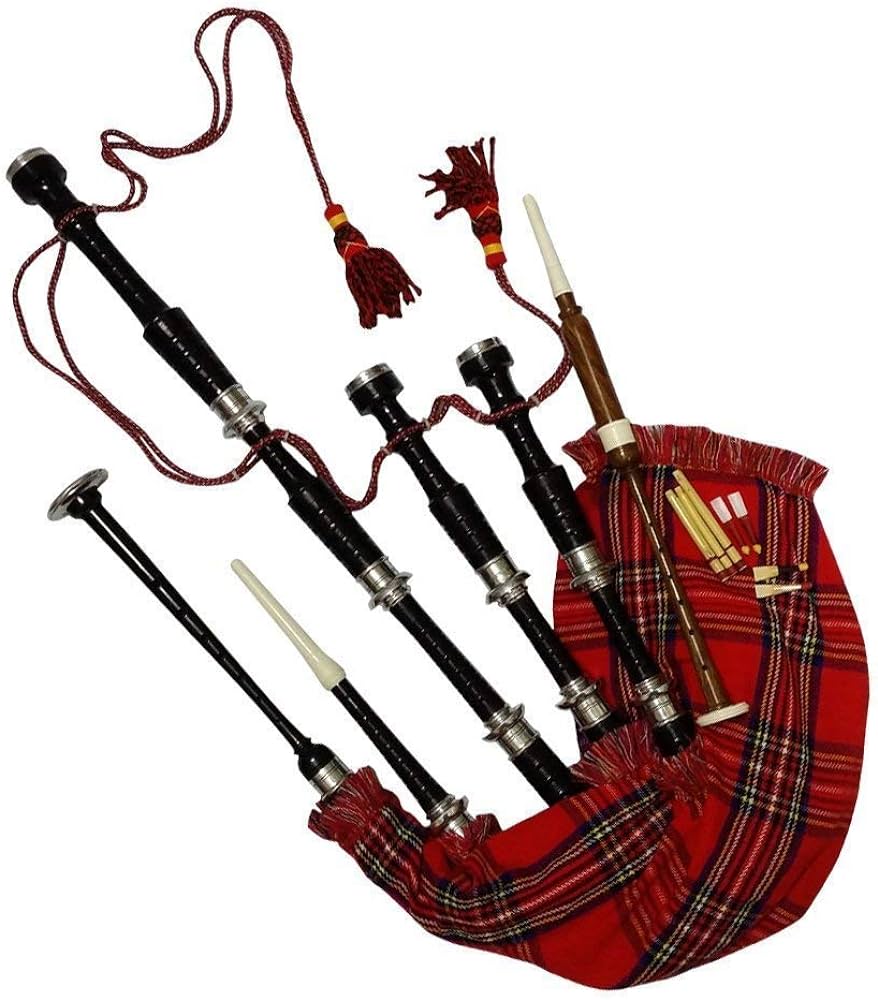
Part of the broader bagpipes family, the Great Highland bagpipes consist of a bag that stores air, a melody pipe called the chanter, and three drone pipes that produce a continuous harmonic background. The instrument produces a strong, penetrating sound designed to project across outdoor environments, making it particularly suitable for military use, parades, and public gatherings.
Today the Great Highland bagpipes remain an enduring symbol of Scottish identity and are widely performed in traditional music, ceremonial events, and international pipe band competitions.
Organology Classification
- Instrument family: Bagpipes
- Scientific classification: Aerophones
- Hornbostel–Sachs category: Bag aerophones (422.2)
- Reed type: Double reed (chanter) and single reeds (drones)
- Air supply: Mouth-blown through blowpipe
- Musical contexts: military bands, folk traditions, ceremonial music
The instrument belongs to a global family of bagpipes found across Europe and the Middle East, including instruments such as the Irish uilleann pipes and the Northumbrian smallpipes. However, the Great Highland bagpipes are distinguished by their large size and powerful volume.
Physical Description
The Great Highland bagpipes consist of several interconnected components that together produce their distinctive sound.
The Bag
The bag acts as an air reservoir that stores air blown in by the player. Traditionally, bags were made from animal skins such as sheep or goat hide. Modern instruments often use synthetic materials that provide improved durability and moisture resistance.
The player maintains air pressure by squeezing the bag with the arm while continuing to blow air into it through the blowpipe.
The Chanter
The chanter is the melody pipe of the instrument. It contains finger holes that allow the player to produce a scale of notes.
The chanter uses a double reed similar in principle to that of the oboe. The scale of the Great Highland bagpipe chanter typically includes nine notes ranging from low G to high A.
The Drones
The instrument includes three drones that produce continuous background pitches.
- Two tenor drones
- One bass drone
These drones are tuned to the tonic note of the chanter and create the characteristic sustained harmonic foundation of bagpipe music.
Sound and Acoustic Characteristics
The Great Highland bagpipes are known for their loud and penetrating tone. This powerful sound is the result of high air pressure within the bag combined with the acoustic properties of the reed pipes.
The continuous drone provided by the drone pipes forms a constant harmonic background, while the chanter plays the melody. Because the airflow never stops, the instrument produces uninterrupted sound.
To articulate notes within this continuous airflow, players use a system of ornaments and grace notes that separate musical phrases.
Historical Development
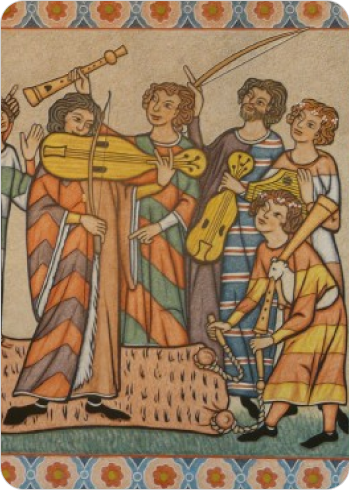
The precise origins of the Great Highland bagpipes remain debated, but historical references to bagpipes in Scotland appear by the late medieval period.
During the sixteenth century, bagpipes began to play an important role in Highland clan culture. Pipers served as musicians and messengers for clan leaders, performing music during ceremonies and gatherings.
By the eighteenth century, the instrument had become closely associated with Scottish military regiments. Highland soldiers carried bagpipes into battle, where the powerful sound helped coordinate troops and boost morale.
Following the formation of Highland regiments in the British Army, pipe bands became a formal part of military tradition. This military connection played a major role in spreading the instrument internationally.
Role in Scottish Culture
The Great Highland bagpipes occupy a central place in Scottish cultural life.
They are commonly performed at:
- weddings
- funerals
- military ceremonies
- national celebrations
- Highland games
Bagpipes are also strongly associated with Scottish national identity and diaspora communities around the world.
Pipe bands composed of multiple pipers and drummers perform traditional repertoire and compete in international competitions.
Pipe Bands
Pipe bands are ensembles consisting primarily of bagpipes and drums. A typical band includes:
- multiple pipers playing Great Highland bagpipes
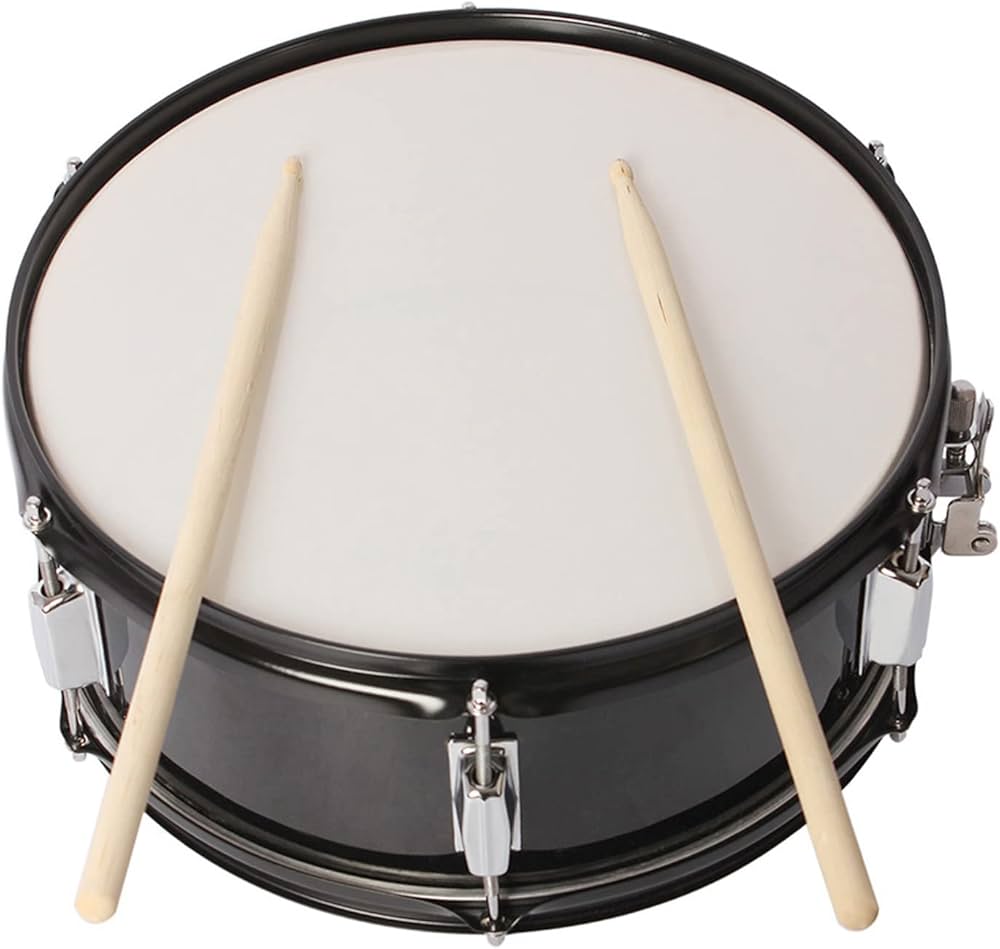
- snare drummers
- tenor drummers
- a bass drummer
Pipe band music has developed into a sophisticated tradition with standardized repertoire and competitive performance formats.
Major competitions such as the World Pipe Band Championships attract bands from across the globe.
Musical Repertoire
The repertoire of the Great Highland bagpipes includes several traditional musical forms.
- Marches – used historically in military contexts
- Strathspeys – rhythmic dance music from Scotland
- Reels – fast dance tunes
- Pibroch – classical Highland bagpipe music
Pibroch, also known as piobaireachd, is considered the classical music of the Highland bagpipes. These compositions feature a slow theme followed by elaborate variations.
Modern Use
Although rooted in tradition, the Great Highland bagpipes continue to evolve in modern musical contexts.
Contemporary performers incorporate bagpipes into:
- folk music ensembles
- rock and fusion music
- film soundtracks
- international festival performances
Pipe bands and solo pipers perform around the world, making the instrument one of the most recognizable traditional wind instruments globally.
The Great Highland bagpipes remain a powerful symbol of Scottish culture while continuing to inspire new musical interpretations and global audiences.
Other Instrument
Categories