Langspil
Bowed Instruments
Medieval to Pre-Modern (1001–1900)
European Folk Instruments
Video
The langspil is a captivating traditional instrument that embodies the rich cultural heritage of Iceland. This unique string instrument, often referred to as a drone zither, has a distinctive sound and an intriguing history that dates back several centuries.
What is the Langspil?
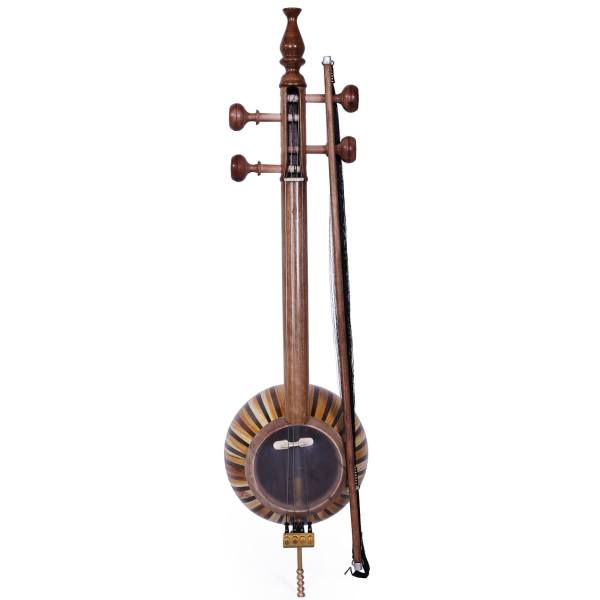
The langspil is a traditional Icelandic musical instrument classified as a zither. It typically consists of a long wooden body with a single melody string and usually two drone strings. The name “langspil” translates to “long-play,” reflecting its elongated shape. The instrument can be played in several ways: by plucking the strings with fingers, using a bow similar to that of a violin, or striking the strings with a mallet. This versatility allows musicians to produce a range of sounds and styles. The construction of the langspil is notable for its craftsmanship. Traditionally made from various types of wood, including pine, fir, birch, oak, and walnut, many instruments were crafted from driftwood found along Iceland’s rugged coastline. The length of the langspil typically ranges from 73 cm (29 inches) to 104 cm (41 inches), with the most common size being around 80 cm (31 inches). The instrument’s design has evolved, leading to two primary forms: straight and curved versions. The curved variant emerged in the early 19th century and is known for its improved acoustic qualities.
History of the Langspil
The history of the langspil is rich and layered, with its roots tracing back to Iceland’s early musical traditions. The earliest written references to the langspil date back to the 18th century when it was described as a long, thin box with one to six strings. These descriptions indicate that the instrument has been part of Icelandic culture for several centuries.
In the early 19th century, as musical tastes evolved, a new version of the langspil was developed featuring a curved soundbox. This innovation enhanced the instrument’s sound quality and broadened its appeal among musicians. In 1855, an important publication titled Leiðarvísir til að spila á langspil (A Guide on Playing the Langspil) was released.
This book not only provided instructions on playing techniques but also included information on constructing the instrument. Its publication significantly contributed to the resurgence of interest in playing the langspil.Despite its popularity in earlier centuries, by the mid-20th century, the langspil had become increasingly rare as traditional music faced competition from modern genres. However, in the 1960s, singer Anna Þórhallsdóttir recognized the decline of this unique instrument and initiated efforts for its revival. Her work sparked renewed interest in traditional Icelandic music and led to collaborations with various musicians who began incorporating the langspil into their repertoires.Today, numerous bands and performers celebrate this instrument’s legacy, ensuring that it remains an integral part of Iceland’s musical landscape. Notable artists such as Spilmenn Ríkinís, Sigurður Rúnar Jónsson, Bára Grímsdóttir, Chris Foster, and Þórður Tómasson á Skógum have embraced the langspil in their performances. The annual folk-song festival in Siglufjörður also highlights its importance in preserving Icelandic musical traditions.
How Does It Work?
The langspil operates on simple yet effective principles of sound production typical of string instruments. The melody string is usually tuned to a specific pitch while the drone strings provide harmonic support. The interplay between these strings creates a rich tapestry of sound that characterizes traditional Icelandic music.To play the langspil, musicians can choose from several techniques:
Plucking: Players can pluck the strings with their fingers to produce clear melodic lines.
Bowing: Similar to playing a violin or viola, using a bow allows for sustained notes and expressive dynamics.
Striking: Musicians can strike the strings with a mallet or stick to create rhythmic patterns or percussive sounds.
The tuning of the langspil varies depending on regional preferences and individual player choices but typically follows diatonic scales that align with traditional Icelandic melodies. The most common tuning configuration includes one melody string tuned to C and two drone strings tuned in fifths (C-G-C).
Types and Features
While there are various types of langspils based on design and construction methods, they generally fall into two main categories: straight and curved models.
Types of Langspils
Straight Langspil: This version features a linear body shape and is often simpler in design.
Curved Langspil: With an arched body shape that enhances sound quality, this type gained popularity in the 19th century.
Chromatic Langspil: Some modern iterations include chromatic frets allowing for greater versatility in playing different musical scales.
Bentside Langspil: A variant with one side bent for improved acoustics.
Each type offers unique tonal qualities and playing experiences while maintaining core characteristics associated with traditional craftsmanship.
Features
Key features of the langspil include:
Strings: Typically three strings – one melody string and two drone strings.
Materials: Traditionally made from local woods like pine or birch; some modern versions may use alternative materials.
Size: Generally ranges between 73 cm (29 inches) to 104 cm (41 inches) in length.
Playing Techniques: Versatile methods including plucking, bowing, or striking enhance its adaptability across musical genres.
Music Composed for Langspil
The repertoire for langspil encompasses various genres rooted in Icelandic folk traditions. Music composed for this instrument often reflects themes related to nature, folklore, and everyday life experiences within Icelandic culture. Traditional songs frequently feature haunting melodies that resonate deeply with listeners. Many compositions are designed to accompany vocal performances or storytelling sessions where musicians share tales passed down through generations. The interplay between melody and drone creates an atmospheric soundscape that transports audiences into Iceland’s enchanting landscapes. Contemporary musicians have also begun experimenting with blending traditional styles with modern genres such as folk-rock or world music. This fusion has led to innovative compositions that showcase both traditional techniques and contemporary influences while keeping alive the spirit of this ancient instrument.
Significance of Langspil in Icelandic Culture
The significance of the langspil extends beyond its musical capabilities; it serves as an emblematic representation of Iceland’s cultural identity. As one of Iceland’s oldest instruments still played today, it embodies centuries-old traditions passed down through generations. In addition to being featured prominently at folk festivals across Iceland—such as Siglufjörður’s annual celebration—the langspil plays an essential role in educational initiatives aimed at preserving traditional music heritage among younger generations. Programs encouraging school children to build their own instruments foster appreciation for craftsmanship while instilling respect for cultural history. Furthermore, efforts by musicians like Anna Þórhallsdóttir have sparked renewed interest not only among performers but also within communities seeking ways to reconnect with their roots through music-making activities involving instruments like langspils.
In conclusion, the langspil stands as both an artistic expression rooted deeply within Icelandic culture while simultaneously serving as a bridge connecting traditions with contemporary interpretations—a testament to resilience against changing times.
FAQ
What is the working mechanism of the Langspil?
The Langspil operates as a traditional Icelandic zither. It has a wooden body with strings that are either plucked or bowed. The player uses a bow or a wooden stick to produce vibrations while adjusting the pitch with their fingers along the frets.
What type of music is typically played on the Langspil?
The Langspil is often used to perform Icelandic folk music and traditional ballads. Its simple and resonant sound complements the melodies of old Icelandic songs, making it a vital part of the nation’s musical heritage.
What is the cultural significance of the Langspil in Iceland?
The Langspil holds great cultural significance as it symbolizes Iceland’s folk traditions and musical identity. Historically, it was a popular instrument in rural Iceland, providing entertainment and preserving oral storytelling through music.
 Links
References
Other Instrument
Categories