Video
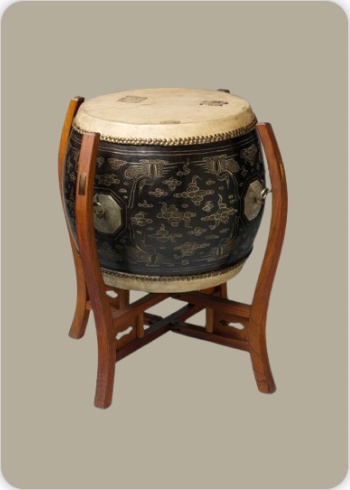
The Mizhavu is a traditional percussion instrument from Kerala, India, primarily used in the ancient performing arts of Kutiyattam and Koothu. This large, pot-shaped drum is typically made of copper, with a skin membrane stretched over its opening.
The Mizhavu is unique in its construction and sound, making it an essential component of temple music and theatrical performances in the region. The Mizhavu is classified as a membranophone, specifically a type of drum. Its distinctive shape resembles a large jar or urn, which contributes to its resonant sound. Traditionally played by the Nambiar community, this instrument serves as a rhythmic foundation for various performances, enhancing the dramatic expressions of actors on stage.
History and Origin
The mizhavu originated in the Indian subcontinent, specifically in the state of Kerala in South India. Its cultural and spiritual roots lie in the temples of Kerala, where it served as an accompaniment to ritualistic performances. The instrument holds a sacred status, as it is traditionally associated with temple art forms. Historical references to the mizhavu date back over a thousand years. Its association with Kutiyattam, a Sanskrit theatrical tradition recognized as one of the oldest surviving theater forms in the world, indicates that the mizhavu was in use as early as the 9th or 10th century CE. The mizhavu’s enduring presence underscores its significance in the spiritual and artistic realms of Kerala.
Cultural Significance
The Mizhavu is often associated with the cosmic dance of Lord Shiva, reflecting its spiritual significance in Hindu rituals. Traditionally confined to temple performances, it has evolved to become more accessible to broader audiences through modern adaptations and performances outside temple precincts.
Construction
The mizhavu is a large pot-shaped drum made primarily from copper. Its construction involves intricate craftsmanship to ensure the desired tonal quality and durability. The drum’s body is a hollow, spherical copper vessel with a wide mouth covered by a tightly stretched animal hide, typically from a cow or buffalo. The hide is secured using robust leather straps that maintain uniform tension, which is crucial for the instrument’s sound production.
The base of the drum is flat, allowing it to remain stable when placed on the ground or a wooden stand. Traditional mizhavus are handcrafted, with artisans dedicating meticulous effort to maintain their acoustic precision and aesthetic appeal.
Types of Mizhavu
While the mizhavu is generally a singular type of instrument, variations exist in size and material based on regional and functional requirements:
Temple Mizhavu: Used in sacred settings, often larger and crafted with utmost precision.
Performance Mizhavu: Slightly smaller and optimized for ease of handling during theatrical performances.
Contemporary Mizhavu: Modified versions that may include synthetic drumheads for increased durability.
Features
Material: Made from copper for its resonant properties.
Shape: Pot-like structure with a wide mouth and flat base.
Drumhead: Animal hide stretched tightly over the opening.
Size: Typically large, but variations exist based on usage.
Sacred Status: Considered a divine instrument in temple art forms.
Sound Production
The mizhavu produces a deep, resonant sound when struck with the palms and fingers. The vibrations of the stretched animal hide generate sound waves, which resonate within the copper body, amplifying and enriching the tones. The player can produce a variety of sounds by striking different parts of the drumhead with varying intensity and technique. The drum’s size, the thickness of the hide, and the tension applied all contribute to its unique tonal qualities.
Playing Methods
The mizhavu is traditionally played while seated, with the drum placed on a wooden stand or directly on the ground. The player uses both hands to strike the drumhead, employing various techniques to create complex rhythms. Fingertip strikes produce sharp, high-pitched sounds, while palm strikes result in deep, bass tones. The combination of these techniques allows the performer to weave intricate rhythmic patterns that complement the theatrical or ritualistic performance.
In a traditional setting, the mizhavu player is a highly skilled artist who undergoes rigorous training to master the instrument’s nuances. The performer’s role is crucial, as the mizhavu’s rhythms guide the movements and emotions of the actors or dancers in the performance.
Roles in Music
The mizhavu is an indispensable component of Kerala’s classical performing arts. Its primary role is to provide rhythmic accompaniment to Kutiyattam and Koothu performances. The drum’s deep, resonant tones enhance the dramatic intensity of the performance, creating an immersive experience for the audience.
Beyond its role in traditional art forms, the mizhavu has found a place in contemporary experimental music. Musicians and composers have started incorporating the mizhavu’s unique sound into fusion genres, showcasing its versatility and timeless appeal.
The mizhavu is more than just a percussion instrument; it is a symbol of Kerala’s rich cultural heritage and artistic excellence. Its deep, resonant tones have echoed through centuries, enriching the spiritual and artistic fabric of the region. As traditional art forms like Kutiyattam gain global recognition, the mizhavu continues to captivate audiences with its unique sound and cultural significance. This sacred drum, rooted in tradition yet open to innovation, remains a testament to the enduring legacy of South Indian music and art.
FAQ
What are the primary uses of the Mizhavu?
The Mizhavu is primarily used as an accompanying percussion instrument in traditional performing arts such as Kutiyattam and Koothu. It plays a crucial role in enhancing dramatic expressions during performances and is also utilized in various Hindu rituals.
What are some notable features of the Mizhavu?
Key features of the Mizhavu include its large size, deep resonant tones, and cultural significance within Kerala's artistic traditions. Its unique construction from copper or clay contributes to its distinctive sound quality.
How does the Mizhavu contribute to music?
The Mizhavu serves as a rhythmic backbone for performers in Kutiyattam, providing essential support for actors' movements. Its sound complements vocal performances and enhances emotional expressions within theatrical narratives.
 Links
References
Other Instrument
Categories