Oungum
Plucked Instruments
Asia, South Asia
Modern (1900–Present)
Modern Instrument Innovations
Video
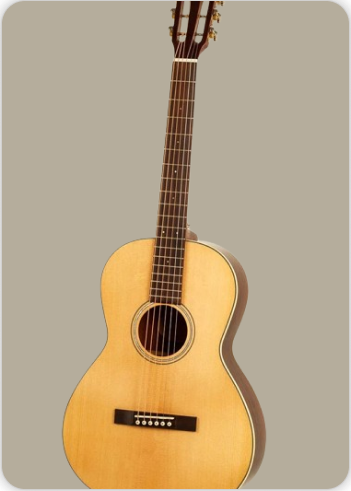
The Oungum, also known as the eoeungeum, is a relatively modern stringed musical instrument originating from North Korea. Its name in Korean, 어은금, reflects its cultural roots and the unique sound it brings to the musical traditions of the Korean Peninsula. The Oungum is a plucked string instrument, classified as a chordophone, and its physical appearance places it between the size of a mandolin and a mandola. This intermediate size gives the Oungum a distinctive tonal range and playability, making it both accessible and versatile for performers. Typically, the Oungum is constructed with four single strings, which are plucked using a plectrum. The instrument’s design is a product of innovation in the 1960s, inspired by the traditional Korean hyangbipa, a historical instrument known for its resonant and melodic qualities. The Oungum’s body is crafted to provide a rich, clear sound, and its neck and resonator are permanently attached, adhering to the Hornbostel–Sachs classification of 321.322-6.
Type of Instrument
The Oungum is classified as a plucked string instrument, or chordophone, according to the Hornbostel–Sachs system. Specifically, it falls under the category 321.322-6, which denotes a chordophone with a permanently attached resonator and neck, sounded by a plectrum. This classification places the Oungum within a broad family of stringed instruments that produce sound through the vibration of strings stretched between two points. Unlike bowed string instruments such as the violin or cello, the Oungum is played by plucking the strings, typically with a plectrum, which allows for precise articulation and a bright, resonant sound. The instrument’s four single strings are arranged in a manner that facilitates both melodic and harmonic playing, giving performers the flexibility to explore a wide range of musical textures.
History: Continent and Century
The Oungum’s history is rooted in the cultural and musical traditions of East Asia, specifically the Korean Peninsula. The instrument was developed in North Korea during the 1960s, a period marked by significant innovation and experimentation in the arts. The creation of the Oungum was inspired by the traditional Korean hyangbipa, an ancient string instrument known for its distinctive sound and historical significance. The hyangbipa itself has a long history, dating back to earlier centuries and serving as a symbol of Korean musical heritage. In the mid-20th century, North Korean instrument makers sought to modernize and adapt traditional instruments to suit contemporary musical needs and preferences. This led to the development of the Oungum, which combined elements of the hyangbipa with new design features aimed at enhancing playability, sound quality, and versatility. The instrument’s invention in the 1960s places it firmly within the context of 20th-century musical innovation in Asia, reflecting broader trends in the modernization of traditional arts and the creation of new forms of musical expression.
The Oungum quickly gained popularity in North Korea, where it was embraced by musicians and composers seeking to explore new sonic possibilities while maintaining a connection to their cultural roots. The instrument’s development was part of a larger movement to promote national identity and pride through the arts, and the Oungum became a symbol of North Korean musical ingenuity. Over time, the Oungum has continued to evolve, with variations in design and construction reflecting changes in musical tastes and technological advancements. The instrument’s history is a testament to the enduring power of tradition and innovation in shaping the cultural landscape of the Korean Peninsula and beyond.
Construction and Physical Structure
The construction of the Oungum reflects a meticulous attention to detail and a deep understanding of acoustics and craftsmanship. The instrument’s body is typically made from high-quality wood, chosen for its resonance and durability. The resonator, which forms the main body of the instrument, is carefully carved and shaped to maximize sound projection and tonal richness. The neck of the Oungum is permanently attached to the resonator, ensuring structural stability and optimal transmission of vibrations from the strings to the body. The instrument’s four single strings are stretched across the body and neck, anchored at the tailpiece and secured at the headstock, where they can be tuned to the desired pitches. The strings are usually made from metal or synthetic materials, selected for their strength, flexibility, and ability to produce a clear, vibrant sound. The fingerboard, which runs along the neck, is designed to facilitate smooth and precise finger placement, allowing performers to execute complex melodies and harmonies with ease. The Oungum is played with a plectrum, which is typically made from plastic, wood, or other durable materials.
The use of a plectrum allows for crisp articulation and dynamic control, enabling performers to achieve a wide range of expressive effects. The instrument’s tuning pegs are designed for easy adjustment, allowing musicians to fine-tune the strings to achieve the desired intonation and tonal balance. The Oungum’s overall design is both functional and aesthetically pleasing, with decorative elements that reflect traditional Korean motifs and artistic sensibilities. The instrument’s compact size makes it portable and easy to handle, while its sturdy construction ensures longevity and consistent performance. The combination of high-quality materials, expert craftsmanship, and thoughtful design makes the Oungum a standout example of modern instrument making, blending tradition with innovation to create a unique and versatile musical tool.
Types of Oungum
While the Oungum is a relatively recent invention, its design has inspired a number of variations and adaptations to suit different musical contexts and preferences. The standard Oungum features four single strings and a body size that falls between a mandolin and a mandola. However, instrument makers have experimented with different string configurations, body shapes, and materials to create a range of Oungum types. Some versions of the Oungum may feature additional strings or alternative tunings to expand the instrument’s range and versatility. Other variations may incorporate different woods or decorative elements to enhance the instrument’s visual appeal and acoustic properties. In addition to these physical variations, the Oungum has also been adapted for use in different musical genres, from traditional Korean music to contemporary and experimental compositions. This adaptability has contributed to the instrument’s growing popularity and its ability to bridge the gap between tradition and modernity. The Oungum’s versatility is further demonstrated by its use in both solo and ensemble settings, where it can serve as a lead instrument or provide harmonic and rhythmic support. The instrument’s design lends itself to customization, allowing musicians and instrument makers to experiment with new ideas and push the boundaries of what the Oungum can achieve. As a result, the Oungum continues to evolve, with new types and variations emerging to meet the changing needs of performers and composers.
Characteristics of the Oungum
The Oungum is characterized by its bright, clear sound and its ability to produce a wide range of tones and dynamics. The instrument’s four single strings provide a balanced and versatile tonal palette, allowing performers to explore both melodic and harmonic possibilities. The use of a plectrum enables crisp articulation and precise control over the instrument’s sound, making it well-suited to fast, intricate passages as well as lyrical, expressive melodies. The Oungum’s compact size and lightweight construction make it easy to handle and transport, while its sturdy build ensures durability and consistent performance. The instrument’s design reflects a careful balance between tradition and innovation, with elements that pay homage to its historical roots while incorporating modern materials and construction techniques. The Oungum’s visual aesthetics are often enhanced by decorative motifs and finishes that reflect Korean artistic traditions, adding to the instrument’s cultural significance and appeal.
The instrument’s versatility is further demonstrated by its use in a variety of musical genres and settings, from traditional Korean music to contemporary and experimental compositions. The Oungum’s ability to adapt to different musical contexts and styles is a testament to its enduring appeal and the skill of the instrument makers who continue to refine and innovate its design. The instrument’s sound is both distinctive and adaptable, capable of blending seamlessly with other instruments or standing out as a solo voice. The Oungum’s role in Korean music and its growing popularity in other musical traditions highlight its significance as a symbol of cultural identity and artistic innovation.
Playing Techniques and Sound Modifications
The oungum, also known as the eoeungeum, is a plucked string instrument developed in North Korea during the 1960s as a modern evolution of the traditional Korean hyangbipa. It typically has four single strings and is sized between a mandolin and a mandola. The instrument is played using a plectrum to pluck the strings, producing a bright and resonant tone characteristic of its paulownia wood construction. Players often employ tremolo techniques, rapidly plucking a single string to create a sustained, shimmering sound. The left hand manipulates pitch by pressing the strings against the fingerboard, allowing for vibrato and pitch bends that add expressiveness. Sound modifications are achieved through variations in plucking intensity, position along the string length, and the use of different plectrum materials or shapes. These techniques enable a wide range of tonal colors, from soft, delicate passages to sharp, percussive attacks, making the oungum versatile in both solo and ensemble settings.
Famous Compositions
While specific famous compositions for the oungum are less documented internationally, the instrument is primarily featured in North Korean traditional and contemporary music ensembles. Its repertoire often includes adaptations of folk melodies and revolutionary songs that highlight the instrument’s bright timbre and agility. Compositions typically emphasize melodic clarity and rhythmic precision, supporting vocal lines or acting as a lead melodic instrument in orchestral arrangements. The oungum’s role in these compositions is to provide both harmonic support and melodic embellishment, often engaging in call-and-response patterns with other traditional Korean instruments. The instrument’s modern development means it is also used in newly composed works that blend traditional Korean musical elements with contemporary styles, showcasing its adaptability.
Most Influential Players
The oungum is predominantly played within North Korea, and detailed information about individual virtuosos is limited due to the country’s restricted cultural exchange. However, it is known that skilled performers at institutions such as the Pyongyang Children’s Palace and various state-sponsored ensembles have contributed to the instrument’s prominence. These players have been instrumental in developing the oungum’s technique and repertoire, often performing in national festivals and state ceremonies. Their expertise ensures the transmission of traditional playing styles while also encouraging innovation within the instrument’s modern context. The collective influence of these performers has established the oungum as a key component of North Korean musical identity.
Historical Performances or Concerts
The oungum emerged in the 1960s as part of North Korea’s efforts to modernize and promote its musical heritage. Since then, it has been featured in numerous state-sponsored concerts and cultural events designed to showcase the nation’s artistic achievements. Performances often take place in prestigious venues such as the Pyongyang Grand Theatre and during national celebrations, where the oungum is played alongside other traditional and modern instruments. These concerts serve both artistic and propagandistic purposes, reinforcing cultural pride and ideological messages. The instrument’s presence in these performances highlights its role as a symbol of North Korean innovation in traditional arts. Additionally, oungum ensembles have performed at international cultural exchanges, albeit rarely, introducing the instrument to audiences outside the Korean Peninsula.
Maintenance and Care
Proper maintenance of the oungum is essential to preserve its sound quality and structural integrity. The instrument is primarily made from paulownia wood, which is lightweight and resonant but sensitive to changes in humidity and temperature. Players are advised to store the oungum in a stable environment, avoiding excessive dryness or moisture that could warp the wood or loosen the glue joints. The strings, usually made of nylon or metal, require regular tuning and periodic replacement to maintain optimal tension and tone. Cleaning the instrument involves gently wiping the body and strings with a soft, dry cloth to remove dust and oils from the hands. The plectrum should also be inspected for wear and replaced as needed to ensure consistent sound production. Routine checks for any cracks or loose parts help prevent damage and extend the instrument’s lifespan.
Interesting Facts and Cultural Significance
The oungum holds a unique place in North Korean culture as a modern reinterpretation of the traditional hyangbipa, reflecting the country’s emphasis on cultural preservation combined with innovation. Its invention in the 1960s symbolizes a period of artistic development aimed at creating distinctly Korean musical instruments that align with national identity. The oungum’s design, bridging the size and tonal qualities of Western mandolin-family instruments and traditional Korean string instruments, embodies a fusion of influences tailored to local tastes and performance contexts. Culturally, the oungum is often associated with youth education and is commonly taught in music schools and children’s palaces, fostering a new generation of musicians versed in both tradition and modernity.
Its bright, clear sound is emblematic of North Korean musical aesthetics, which favor melodic clarity and rhythmic vitality. The instrument also serves as a cultural ambassador in rare international performances, showcasing North Korea’s rich musical heritage and ongoing creativity.
FAQ
What is the history of the Oungum musical instrument?
The Oungum is a traditional musical instrument rooted in the cultures of Southeast Asia, particularly Myanmar. It dates back several centuries and was commonly used in spiritual and ceremonial music. Its design evolved from ancient zithers. The instrument reflects both courtly and folk traditions.
What materials are used to construct the Oungum?
The Oungum is typically made from hardwood for the body and silk or metal strings. Traditional versions may use bamboo components. The bridge is often crafted from ivory or bone. Natural lacquers and resins are used for finishing.
What are the main features and sounds of the Oungum?
The Oungum produces soft, melodic tones with a warm resonance. It features multiple strings stretched over a wooden body, often plucked or strummed. The sound is gentle and calming. Its timbre suits meditative and ceremonial music.
 Links
References
Other Instrument
Categories