Tautirut
Bowed Instruments
America, North America
Medieval to Pre-Modern (1001–1900)
Indigenous American Instruments
Video
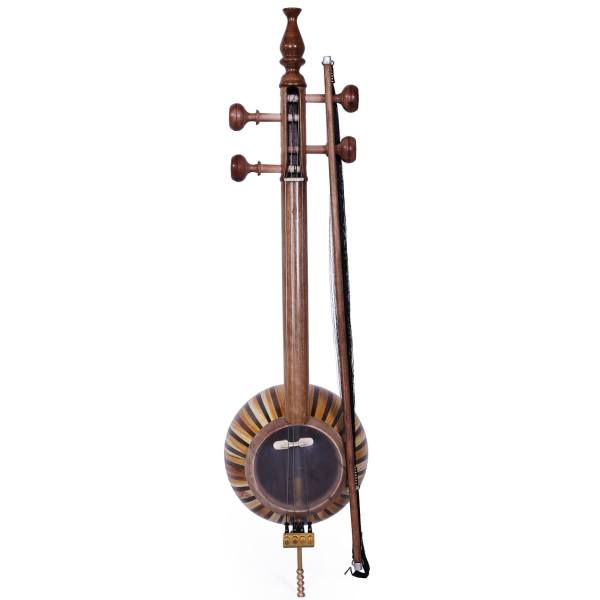
The Tautirut, often referred to as the Inuit fiddle or Eskimo violin, is a traditional bowed string instrument native to the Inuit culture of Canada. This unique instrument is characterized by its simple construction, typically featuring a rectangular wooden body with a square sound hole on top.
It usually has two or three strings made from sinew or other materials, and it is played with a bow that traditionally uses whalebone or animal hair. The sound produced by the Tautirut is distinctively mellow and resonant, making it an integral part of Inuit musical traditions. It is typically played while seated, resting on the player’s lap, which allows for easy access to the strings and bow. The Tautirut serves not only as a musical instrument but also as a cultural artifact that reflects the heritage and history of the Inuit people.
History of the Tautirut
The origins of the Tautirut can be traced back to pre-contact times among the Inuit communities of northeastern Canada. While its exact historical timeline is difficult to pinpoint, it is believed that the instrument has been in use for several centuries. Some scholars suggest that it may have been influenced by European instruments brought by early explorers and traders, particularly those from the Orkney and Shetland Islands. The Tautirut shares similarities with Scandinavian instruments such as the Icelandic fiðla and Shetland gue, indicating possible cultural exchanges during periods of contact between Indigenous peoples and European settlers. Ethnomusicologist Anthony Baines noted that the limited distribution of the Tautirut around Hudson Bay suggests that it may have been introduced to the Inuit by sailors from these regions. In the 19th century, anthropologists like Lucien M. Turner documented the Tautirut in their studies of Inuit culture. Turner described it as a rudimentary box with sinew strings and a bow made from whalebone. His observations highlighted not only the instrument’s construction but also its role in Inuit social life, where music played an essential part in gatherings and celebrations. Despite its historical significance, the popularity of the Tautirut declined with modernization and the introduction of Western musical instruments. However, recent efforts to revive traditional music have led to a renewed interest in this unique instrument among both Indigenous communities and folk musicians.
Materials Used in Construction
The construction of the Tautirut primarily involves natural materials that are readily available in its native environment. The body of the instrument is usually made from wood such as birch or spruce, chosen for their acoustic properties and availability in northern climates. The strings are traditionally crafted from animal sinew, which provides durability and a unique tonal quality.The bow used to play the Tautirut is typically made from wood as well, strung with whalebone or horsehair. This combination of materials contributes to the distinctive sound quality that characterizes the instrument. The craftsmanship involved in creating a Tautirut reflects a deep understanding of local resources and traditional techniques passed down through generations.
How It Works
The Tautirut produces sound through a combination of bowing techniques and resonance from its body. When a player draws the bow across one or more strings, vibrations are created that resonate within the wooden body of the instrument. This process amplifies the sound, allowing it to fill a space effectively. Players can manipulate pitch by pressing down on the strings with their fingers while adjusting bowing pressure and speed. This requires skillful coordination between both hands and allows for expressive playing that can convey a wide range of emotions. Typically, one string is used for melody while others serve as drones, creating rich harmonic textures that are characteristic of Inuit music. The simplicity of its construction belies its expressive potential, allowing musicians to explore various musical ideas within traditional frameworks.
Types of Tautirut
While there is primarily one standard type of Tautirut associated with Inuit culture, variations may exist based on regional preferences or individual craftsmanship. Some players may customize their instruments with different string materials or modifications to enhance specific tonal qualities. In addition to these variations, related instruments within Indigenous North American musical traditions include other types of fiddles or bowed instruments found among different tribes. Each instrument offers unique characteristics while sharing similarities in construction and playing technique.
Features of the Tautirut
Key features of the Tautirut include:
Two or Three Strings: Provides versatility in melody creation.
Wooden Body: Enhances resonance and projection.
Bowed Technique: Requires skillful manipulation for sound production.
Square Sound Hole: Designed for optimal sound projection.
Cultural Heritage: Represents traditional Inuit music practices.
These features collectively contribute to the distinctiveness of the Tautirut within Indigenous music traditions.
Music Composed for the Tautirut
Music composed for the Tautirut often reflects traditional themes relevant to Inuit culture. It serves as an accompaniment to storytelling, dance, and social gatherings. The melodies played on this instrument typically incorporate improvisation and ornamentation, showcasing both tradition and individual creativity. In ensemble settings, the Tautirut may interact with other instruments such as drums or flutes, creating rich textures that enhance communal experiences during performances. Its ability to convey emotion makes it particularly suited for expressing themes related to nature, community life, and cultural identity. Traditional songs often tell stories about daily life, hunting experiences, or spiritual beliefs, allowing musicians to connect deeply with their heritage through performance. The revival of interest in traditional music has led to new compositions being created specifically for this unique instrument.
Cultural Significance
The cultural significance of the Tautirut extends beyond its musical role; it embodies aspects of identity and heritage among Inuit peoples. As an instrument traditionally associated with storytelling and social gatherings, it represents a connection to community values and shared experiences. Efforts to preserve traditional music practices have sparked renewed interest in learning how to play instruments like the Tautirut among younger generations. This revival not only helps maintain cultural traditions but also fosters community cohesion through shared musical experiences. In contemporary contexts, musicians are increasingly incorporating elements from various genres into their performances with the Tautirut. This blending of styles not only showcases its versatility but also highlights its relevance in modern musical landscapes while honoring its historical roots.
In summary, the Tautirut is more than just an instrument; it is a vital part of Inuit cultural heritage that continues to resonate with audiences today.
FAQ
What type of musical instrument is the Tautirut?
The Tautirut is a traditional Inuit bowed string instrument. It resembles a zither or violin but is played in a unique way. Traditionally, it has one or two strings made from sinew or gut. This instrument is mainly used in Inuit ceremonial and folk music.
How does the Tautirut work?
The Tautirut produces sound through a bowing mechanism. A bow, often strung with horsehair, is drawn across its strings, creating vibrations. These vibrations resonate in the hollow wooden body to amplify sound. The pitch is controlled by pressing the strings at different lengths.
What influences shaped the Tautirut?
The Tautirut was influenced by early European string instruments brought to North America. Indigenous ingenuity adapted it to available materials like driftwood and sinew. It reflects a blend of Inuit cultural traditions and external musical influences, creating a unique sound.
 Links
References
Other Instrument
Categories