Tidinet
Plucked Instruments
Africa
Early Medieval (0–1000 CE)
African Traditional Instruments
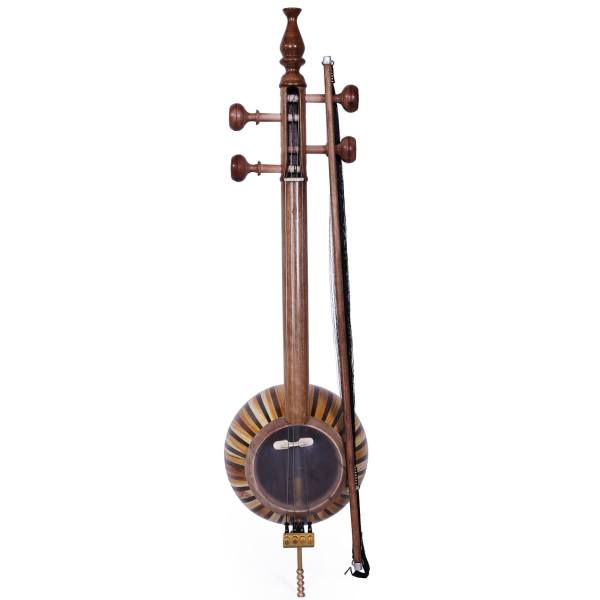
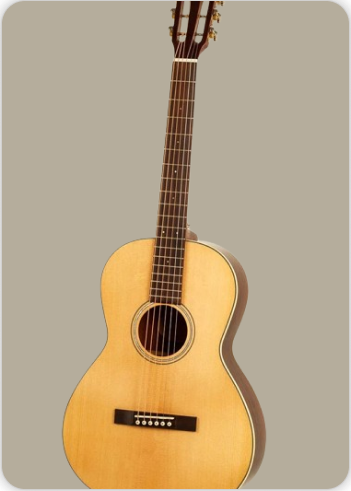
The tidinet is a traditional stringed musical instrument primarily found in Mauritania and other parts of North Africa. It is a plucked instrument that resembles a small guitar in shape and size. The tidinet holds cultural significance as it is often played by men, particularly by griots, who are the traditional storytellers, poets, and musicians in West African societies. The instrument is used to accompany singing and storytelling, serving both musical and social functions within the communities where it is played.
Type of Instrument
The tidinet belongs to the family of string instruments, specifically classified as a lute-type instrument due to its neck and resonator body configuration. It is played by plucking the strings, which produce melodic and rhythmic sounds. As a string instrument, its sound is generated by the vibration of strings stretched over a resonating body, which amplifies the sound. The tidinet is related to other regional lutes and string instruments found across North and West Africa.
History of Tidinet
The Tidinet is a traditional stringed instrument whose roots trace back to the African continent, specifically within the regions of North and West Africa, with strong historical ties to the Saharan and Sahelian cultures. It has been notably associated with Mauritania and neighboring areas, where it has long served as a key instrument in the musical expressions of the nomadic communities, particularly among the Moors. The history of the Tidinet can be dated as far back as the early centuries of the Islamic period in Africa, likely around the 7th to 10th centuries, when Arab and Berber cultural influences began blending with local African traditions. During this era, oral poetry, storytelling, and music flourished as vital elements of cultural life, and instruments like the Tidinet played a central role in accompanying these performances. Often considered a female counterpart to the more prominent male-played instruments in Moorish society, the Tidinet was traditionally used by women griots—known locally as “iggawen”—to perform praise songs, recount genealogies, and preserve oral histories. Over time, the Tidinet evolved both in construction and musical context, yet it has retained its cultural importance within Mauritania and parts of Western Sahara, serving as a symbol of feminine expression and continuity of heritage.
Construction and Physical Structure
The tidinet is constructed using materials readily available in its native regions. Its body is typically carved from wood, forming a hollow resonator that amplifies the sound of the strings. The soundboard may be covered with animal skin or left as wood, depending on the maker’s tradition. The instrument has a neck that supports the strings, which are stretched from the neck to the body. The number of strings can vary, but it generally has four to six strings. The strings were traditionally made from materials like gut or horsehair but are now often synthetic. The instrument’s size is relatively small, making it portable and suitable for accompanying vocal performances.
Types of Tidinet
While specific variants of the tidinet are not extensively documented, variations likely exist based on regional preferences and maker traditions. Differences may include the number of strings, the shape and size of the body, and the materials used for the soundboard and strings. These variations would affect the timbre and playing style of the instrument. The tidinet is closely related to other North African lutes, such as the tehardent, which shares similar construction features but may differ in size and tuning.
Characteristics
The tidinet is characterized by its bright and resonant sound, which complements vocal performances and storytelling. Its plucked strings produce melodic lines that can be both rhythmic and expressive. The instrument is traditionally played by men, particularly griots, who use it to accompany their poetic and musical narratives. The tidinet’s sound is distinct within the musical landscape of Mauritania and North Africa, contributing to the preservation and transmission of oral history and cultural identity. Its portability and relatively simple construction make it accessible and practical for use in various social and ceremonial contexts. It is a culturally significant string instrument from Mauritania and North Africa, resembling a small guitar and used mainly by male griots. It is a lute-type instrument with a wooden body and several strings, traditionally plucked to produce melodic sounds that accompany storytelling and singing. Its history is rooted in the musical traditions of the Saharan and Sahelian regions, and it remains an important part of the musical heritage of these communities.
Playing Techniques and Sound Modifications
The tidinet, a stringed instrument resembling a small guitar, is traditionally played by men, especially among the griots, who are West African storytellers and musicians. Playing the tidinet involves plucking its strings, which produces a melodic and rhythmic sound integral to the musical storytelling tradition. The technique typically involves holding the instrument comfortably, often in the lap, and using fingers to pluck the strings in a controlled manner to create a continuous flow of sound. The player’s thumb and fingers work in coordination to strike the strings, with attention to the pressure and angle to modify the tone and resonance. Sound modifications on the tidinet can be achieved by varying the plucking intensity, string pressure, and finger positioning, allowing the musician to produce a range of tonal colors and dynamics. Like other traditional string instruments, subtle changes in hand placement and string tension can alter the pitch and timbre, enabling expressive musical phrasing. The instrument’s tuning is crucial for its characteristic sound, and players often fine-tune the strings to match the vocal range or the mood of the performance. This tuning flexibility allows the tidinet to complement vocal lines or other instruments in ensemble settings.
The playing style is deeply rhythmic and melodic, often involving repetitive patterns that create a hypnotic effect, supporting the griot’s narrative. The sound is rich in overtones, and skilled players use their technique to enhance these harmonic textures, adding depth to the music. The continuous drone or rhythmic plucking serves as a musical foundation, much like the tanpura in Indian music, providing a sonic backdrop for storytelling and singing.
Famous Compositions and Most Influential Players
While the tidinet is primarily a traditional instrument used in oral storytelling and cultural ceremonies, specific compositions are often passed down through generations within griot families. These compositions are not always formally documented but are integral to the griot repertoire, encompassing praise songs, historical narratives, and social commentary. The music played on the tidinet accompanies these stories, enhancing their emotional and dramatic impact. Some of the most influential players of the tidinet are renowned griots who have preserved and popularized the instrument’s music beyond their local communities. These musicians have been instrumental in maintaining the cultural heritage associated with the tidinet, often performing at important cultural events and festivals. Their mastery of the instrument and storytelling has inspired younger generations to learn and continue the tradition. Although individual names may not be widely known internationally, within West African musical circles, certain griots are celebrated for their exceptional tidinet playing skills and their role in cultural preservation. These players often combine the tidinet with other traditional instruments and vocal techniques, creating rich, layered performances that highlight the instrument’s versatility and expressive potential.
Historical Performances and Concerts
The tidinet has historically been performed in various ceremonial and social contexts, including weddings, naming ceremonies, and community gatherings. These performances are often intimate, with the musician seated among the audience, facilitating a close connection between the storyteller and listeners. The tidinet’s sound serves as an accompaniment to oral histories, proverbs, and praise poetry, making the performances both musical and educational. In recent decades, the tidinet has also been featured in larger concerts and world music festivals, where traditional West African music is showcased to international audiences. These performances often bring together multiple traditional instruments and vocalists, highlighting the tidinet’s role within a broader musical ensemble. Such concerts have helped raise awareness of the instrument and its cultural significance, contributing to its preservation and appreciation globally.
Historical recordings and live performances have documented the tidinet’s sound and playing style, providing valuable resources for ethnomusicologists and musicians interested in West African traditions. These recordings capture the instrument’s unique tonal qualities and the expressive nuances of its players, preserving the musical heritage for future generations.
Maintenance and Care
Maintaining the tidinet involves careful attention to its wooden body, strings, and tuning mechanisms. The instrument should be kept in a dry environment to prevent the wood from warping or cracking, as humidity and temperature fluctuations can damage traditional wooden instruments. Regular cleaning with a soft cloth helps remove dust and oils that accumulate from handling. The strings require periodic tuning to maintain the desired pitch and sound quality. Players often use fine tuning pegs or beads to adjust string tension precisely. Replacing worn or broken strings is essential to preserve the instrument’s tonal integrity. When changing strings, it is important to do so gradually to avoid sudden tension changes that could damage the instrument’s frame. Protecting the tidinet during transport is also crucial. Using a padded case or wrap helps prevent physical damage. Additionally, players may apply natural oils or waxes to the wood to keep it moisturized and enhance its appearance, following traditional care methods passed down through generations.
Interesting Facts and Cultural Significance
The tidinet holds a special place in West African culture, particularly among griots, who are the custodians of oral history and tradition. The instrument is not merely a musical tool but a symbol of cultural identity and continuity. It is most often played by men, reflecting traditional gender roles within the griot community. One interesting fact about the tidinet is its resemblance to a small guitar, yet it is deeply embedded in the unique musical and storytelling traditions of West Africa. Its sound is distinct from Western stringed instruments, characterized by a bright, resonant tone that supports vocal narratives. The cultural significance of the tidinet extends beyond music; it is an emblem of social cohesion and historical memory. Through its music, griots transmit values, history, and social norms, reinforcing community bonds. The instrument’s presence in ceremonies underscores its role in marking important life events and communal celebrations.
In contemporary times, the tidinet has gained recognition in world music circles, symbolizing the rich musical heritage of West Africa. Its music continues to inspire and educate, bridging generations and cultures. The instrument’s role in storytelling and cultural preservation makes it an enduring symbol of West African artistic expression.
FAQ
What type of instrument is the Tidinet?
The Tidinet is a traditional string instrument, closely resembling a small lute. It is often used in Mauritania and neighboring regions. Typically, it is played by griots, especially women. The instrument is known for its melodic and rhythmic capabilities.
What materials are used to construct the Tidinet?
The Tidinet is traditionally made from a wooden body with animal hide stretched over the resonator. Its strings are usually made from nylon or gut. The neck is often carved from a single piece of wood. These natural materials give it a distinctive, earthy tone.
What are the primary uses or applications of the Tidinet?
The Tidinet is primarily used in storytelling, praise singing, and traditional ceremonies. It accompanies oral poetry and folk music performances. Its rhythmic plucking enhances narrative delivery. It holds a cultural and communicative role in Mauritanian society.
 Links
References
Other Instrument
Categories