Aerophones
Aerophones are musical instruments in which sound is produced by the vibration of air. The air itself acts as the primary sound generating element, set into motion by the player or by a mechanical air source. Unlike string instruments, where tensioned strings vibrate, or percussion instruments, where solid bodies are struck, aerophones rely on the controlled movement of air within or around a resonating space.
Categorization of Aerophones

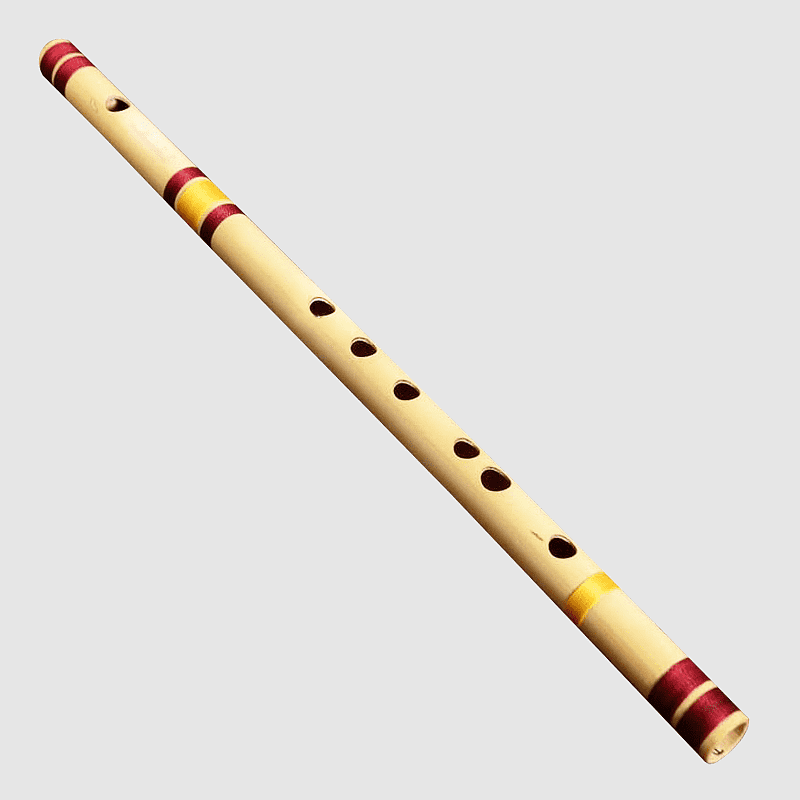
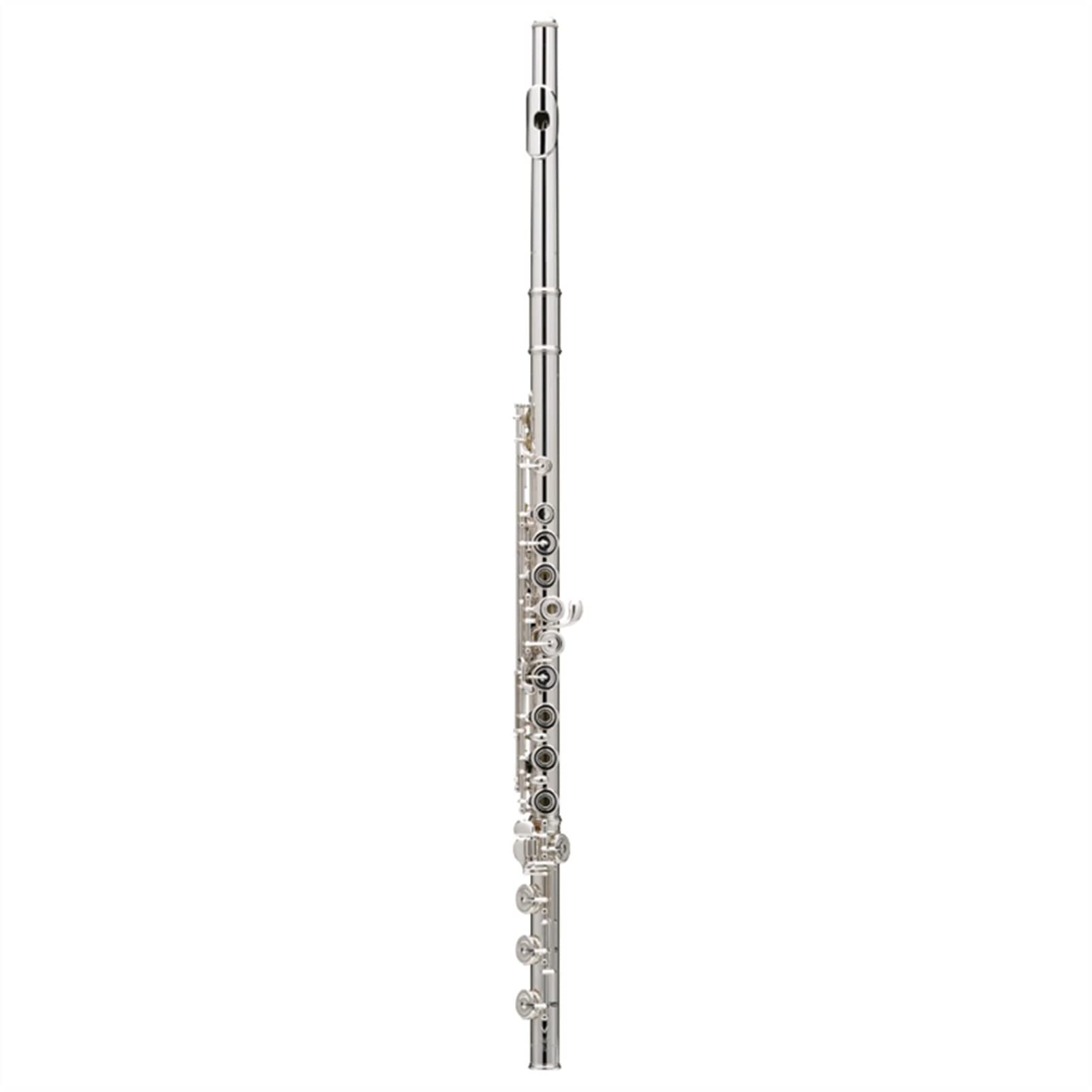
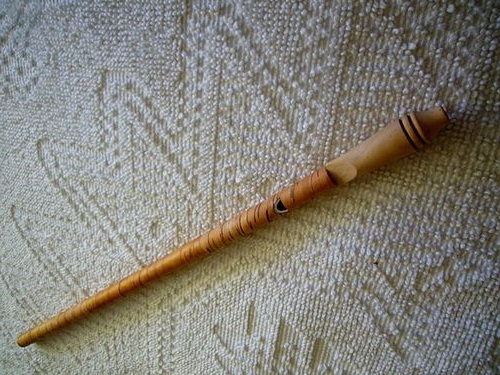
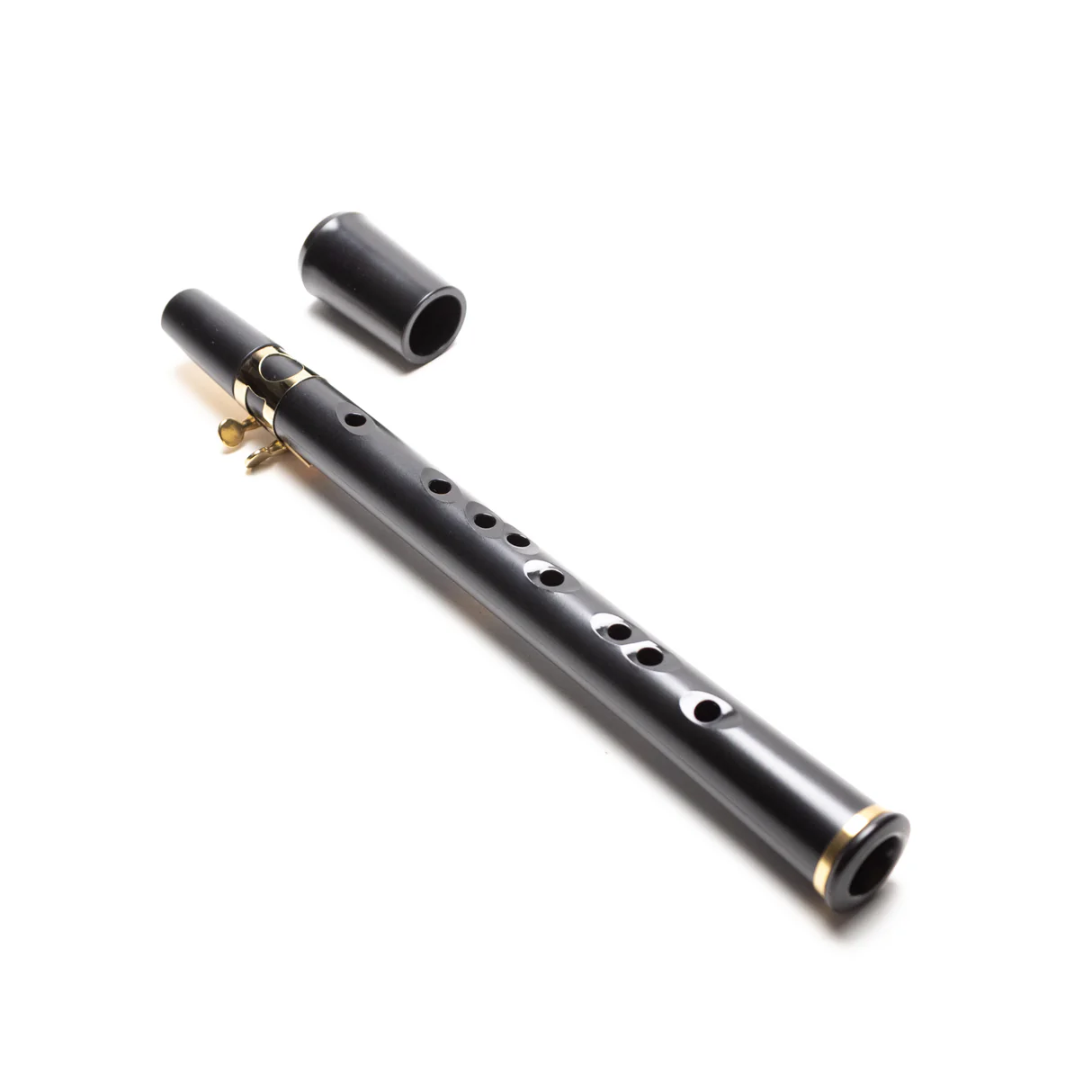
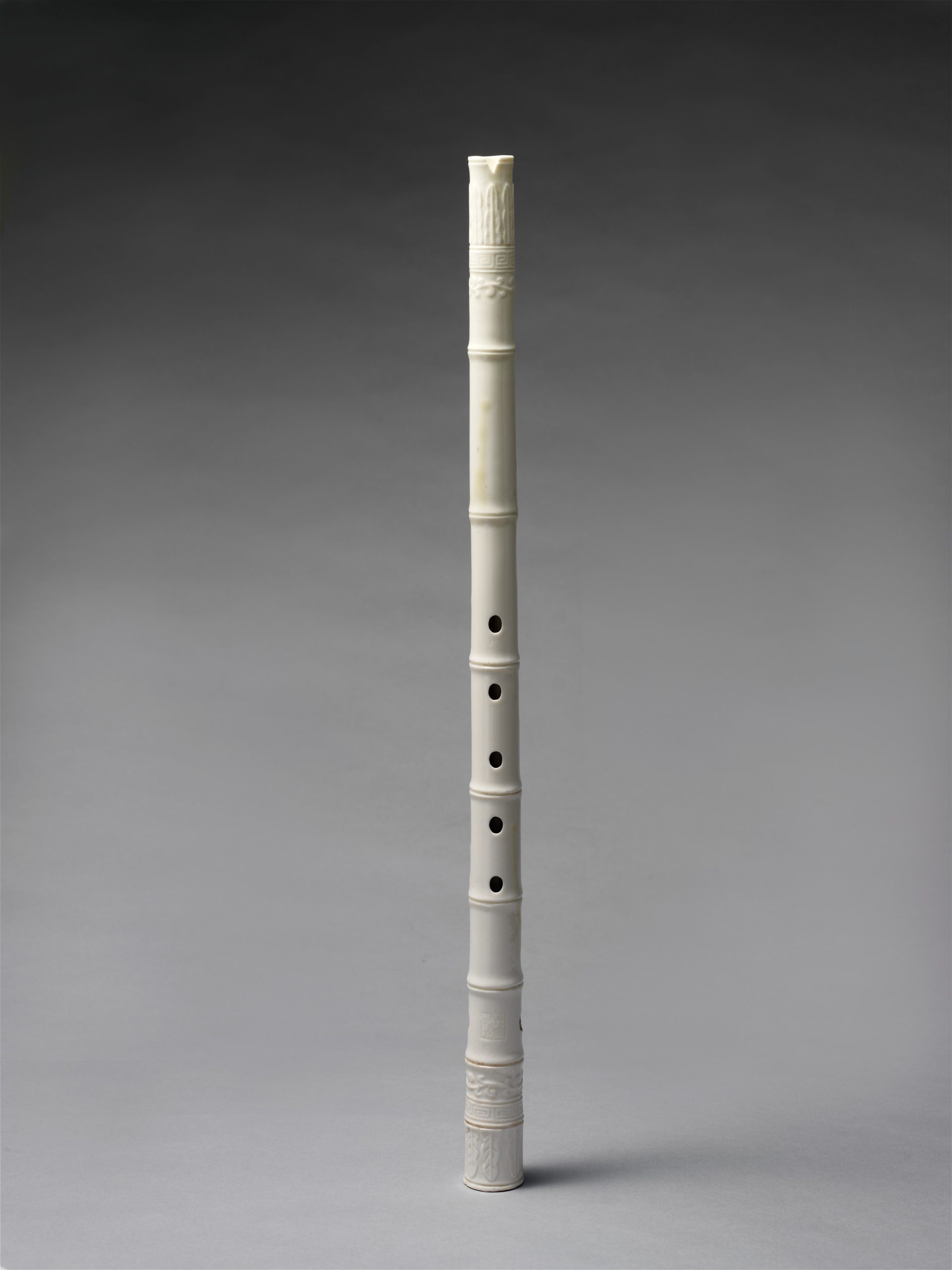
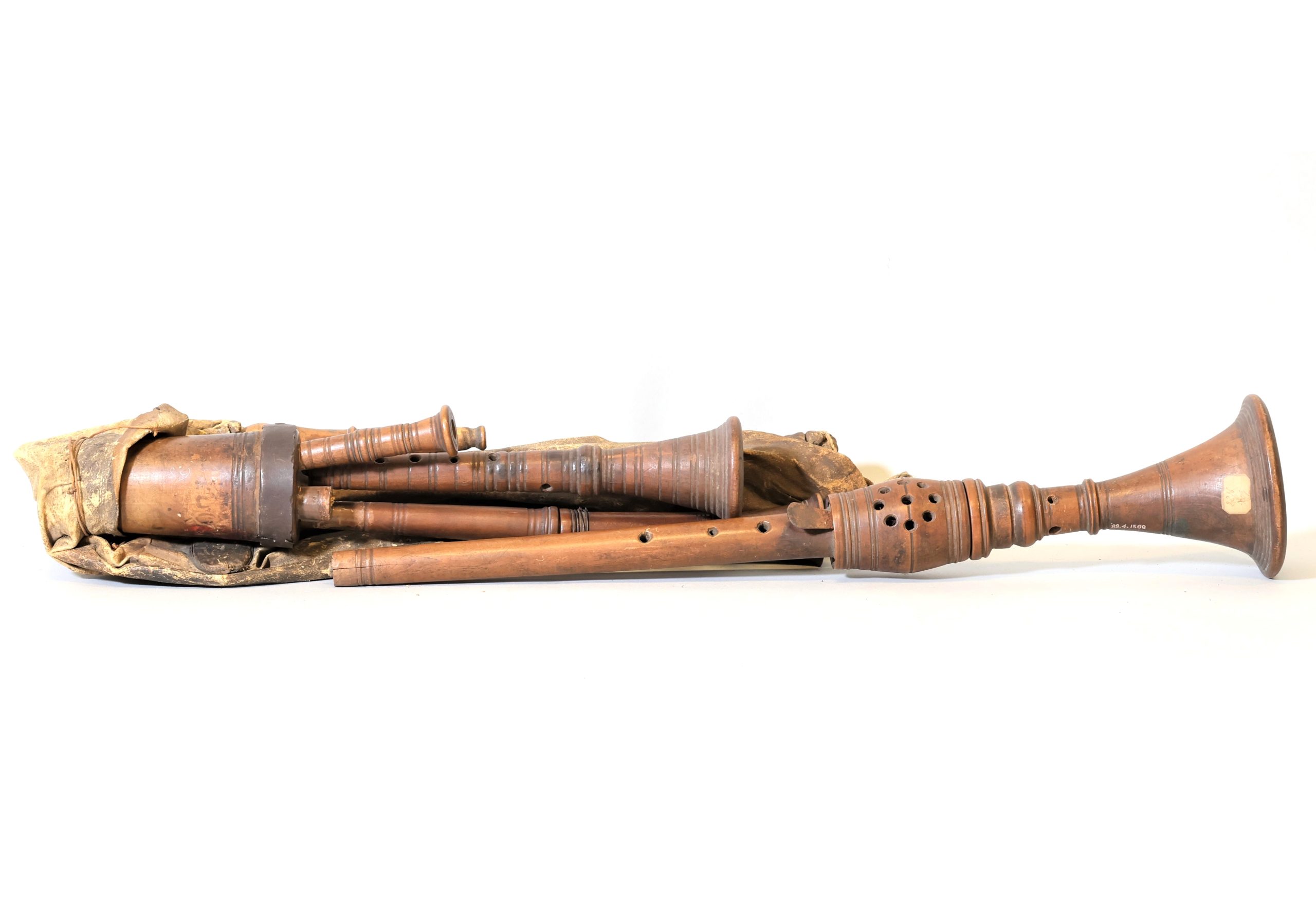
This category includes some of the oldest musical instruments known, as well as some of the most technologically complex. Simple whistles, flutes, reed instruments, brass instruments, organs, and free reed systems all belong to the aerophone family, despite their very different appearances and playing techniques. What unites them is the same acoustic principle, an energized air column produces sound.
How Air Is Vibrated

Sound in an aerophone begins when air is directed in a way that causes instability, either by splitting against an edge, vibrating a reed, or interacting with the player’s lips. This initial disturbance sets the air inside the instrument into vibration. The dimensions and shape of the air column then determine which frequencies are reinforced and which are suppressed, shaping the instrument’s pitch and tone.
Pitch Modulation Mechanisms

Pitch in aerophones is governed primarily by the effective length of the vibrating air column. Shorter air columns vibrate more rapidly and produce higher pitches, while longer air columns vibrate more slowly and produce lower pitches.

Musicians alter this length by opening and closing tone holes, extending tubing, or redirecting airflow through valves or slides. These mechanisms allow a single instrument to produce a wide range of notes from the same resonating body.
Body Shapes and Acoustic Behavior

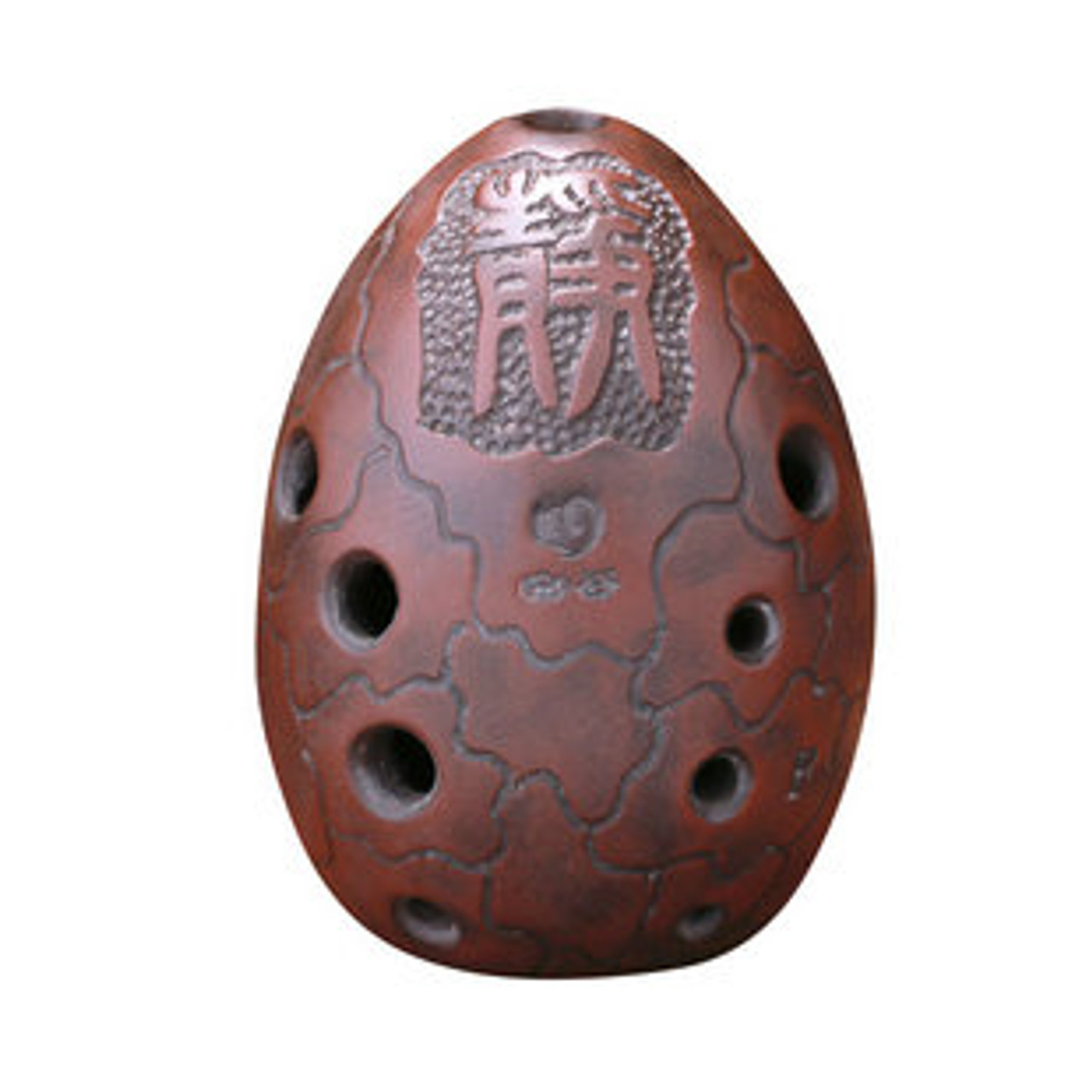
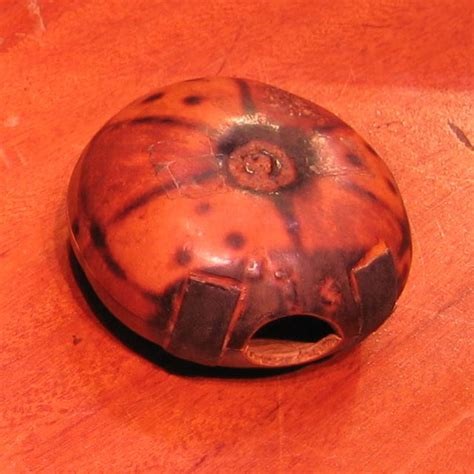
The physical shape of an aerophone strongly influences its sound. Cylindrical tubes, conical bores, reversed conical forms, and vessel shaped bodies each interact differently with vibrating air. These shapes affect tuning, harmonic balance, and timbral character, contributing to the recognizable sound of different instrument families.
Overtones and the Harmonic Series
Most aerophones produce not only a fundamental pitch but also a series of overtones, known as the harmonic series. These harmonics arise from standing wave patterns within the air column and follow predictable mathematical relationships. The interaction between the fundamental tone and its overtones gives aerophones their richness, brightness, or depth, and allows certain instruments to access multiple notes from a single fingering or tube length.


Other Taxonomies and Terms:
Instrument Common Categories
Instrument Scientific Categories
Times of Inventions
Geographical Regions
Collections
- African Traditional Instruments (53)
- Brass Instruments (Western) (18)
- East Asian Traditional Instruments (84)
- European Folk Instruments (131)
- Gamelan & Southeast Asian Ensemble Instruments (45)
- Indian Classical Music Instruments (43)
- Indigenous American Instruments (19)
- Maqam Music Instruments (72)
- Modern Instrument Innovations (97)
- Post-Colonial Latin American Instruments (34)
- Vessel Flutes (7)
- Western Early Music Instruments (82)
- Western Orchestra Instruments (54)
- Woodwind Instruments (Western) (46)