


Introduction
Analog and digital synthesizers represent two major technological approaches to electronic sound generation. Both types of instruments are designed to create and shape sound electronically, but they differ in how the audio signal is generated, processed, and controlled.
Analog synthesizers use electrical circuits and continuous voltage signals to produce sound, while digital synthesizers rely on computer-based digital signal processing. These different technologies influence the character of the sound, the flexibility of the instrument, and the types of synthesis methods available.
Understanding the differences between analog and digital synthesizers helps musicians and producers choose the right instrument for their creative needs and production environments.
What Is an Analog Synthesizer
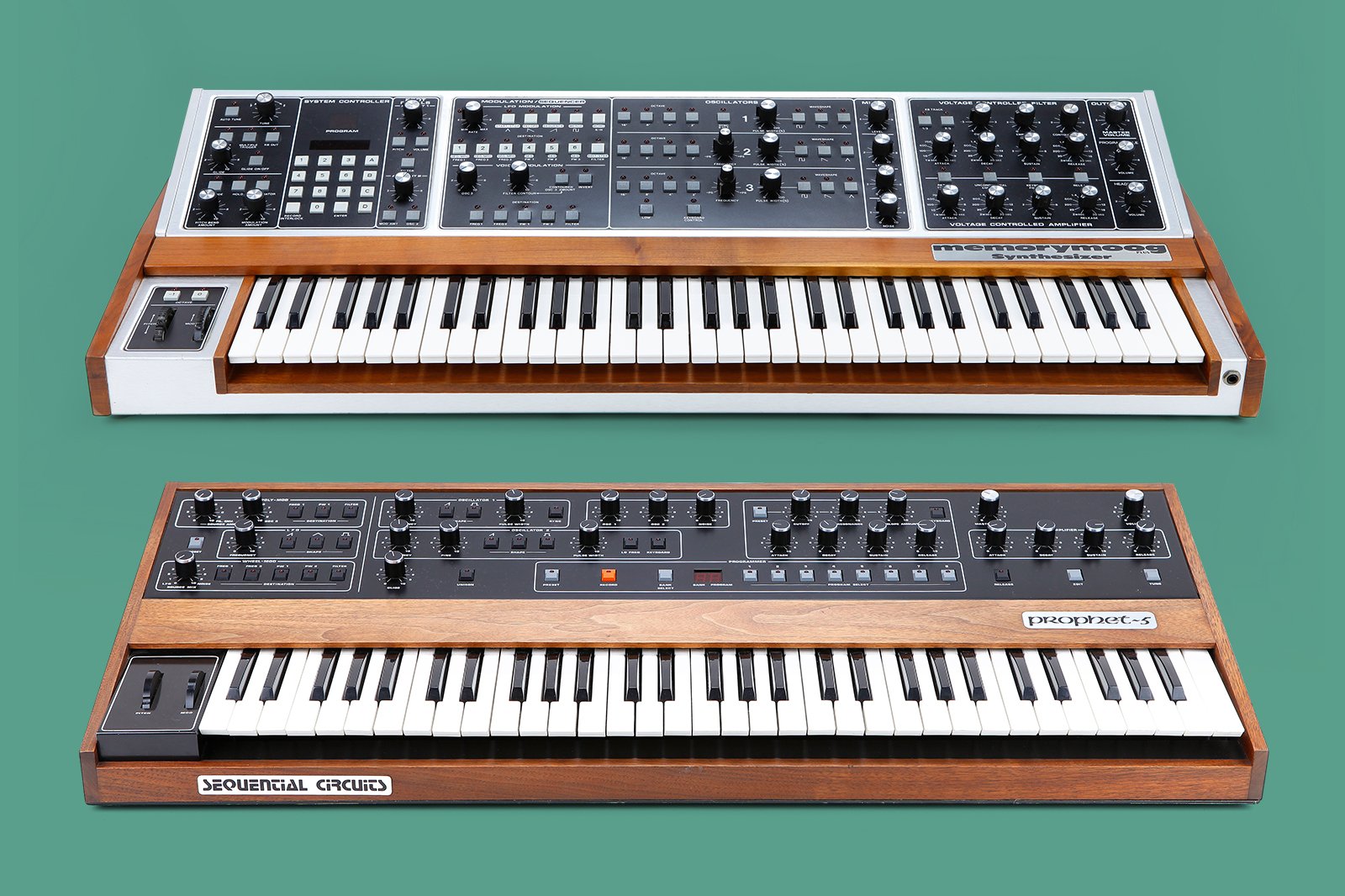
Analog synthesizers generate sound using electrical circuits that produce continuous voltage signals. These circuits create basic waveforms which are then shaped by filters, amplifiers, and modulation sources.
Typical components of analog synthesizers include:
• voltage-controlled oscillators (VCOs)
• voltage-controlled filters (VCFs)
• voltage-controlled amplifiers (VCAs)
• envelope generators
• low-frequency oscillators (LFOs)
Because these circuits operate with real electrical signals rather than digital calculations, analog synthesizers often produce subtle variations and nonlinearities that contribute to their distinctive sonic character.
Classic analog synthesizers include instruments such as the Moog Minimoog and the ARP Odyssey, both of which played important roles in the development of electronic music during the twentieth century.
Analog synthesizers are most commonly associated with subtractive synthesis, a technique that begins with harmonically rich waveforms and removes frequencies using filters to sculpt the final sound.
What Is a Digital Synthesizer

Digital synthesizers produce sound using digital signal processing performed by microprocessors. Instead of generating sound through electrical circuits, the instrument calculates audio signals mathematically and converts them into sound through digital-to-analog converters.
This digital approach allows synthesizers to support a wide range of synthesis techniques, including:
• frequency modulation (FM) synthesis
• wavetable synthesis
• sample-based synthesis
• physical modeling synthesis
• granular synthesis
One of the most influential digital synthesizers was the Yamaha DX7, released in 1983. The DX7 popularized FM synthesis and became one of the best-selling synthesizers in history.
Digital synthesizers are often capable of storing thousands of presets, complex modulation routings, and advanced sound design features that would be difficult to implement in analog circuitry.
Sound Characteristics
One of the most discussed differences between analog and digital synthesizers involves their perceived sound character.
Analog synthesizers are often described as producing:
• warm tones
• smooth filter responses
• subtle variations in pitch and timbre
• natural saturation from electronic components
Digital synthesizers tend to offer:
• highly precise and stable pitch
• extremely complex timbres
• detailed modulation capabilities
• a broader range of synthesis methods
However, modern digital synthesizers and software instruments can accurately emulate many aspects of analog sound through advanced modeling techniques.
Flexibility and Features
Digital synthesizers generally provide greater flexibility because they rely on programmable software rather than fixed circuitry.
Advantages of digital synthesis often include:
• large preset libraries
• extensive modulation routing
• polyphony with many simultaneous voices
• integrated effects processing
• compact and lightweight hardware designs
Analog synthesizers, by contrast, are often valued for their direct control interfaces and hands-on performance experience. Many musicians appreciate the physical knobs, sliders, and patch cables used to shape sound in real time.
Reliability and Stability
Digital synthesizers tend to be more stable in terms of tuning and consistency. Because they generate sound through numerical calculations, they maintain precise pitch and reproduce sounds exactly as programmed.
Analog synthesizers can sometimes drift slightly in tuning due to temperature changes or component variations. While this behavior may require occasional adjustment, some musicians consider these small variations to be part of the instrument’s character.
Hybrid Synthesizers
Many modern instruments combine analog and digital technologies to take advantage of both approaches. These hybrid synthesizers may include analog filters with digital oscillators or digital control systems with analog signal paths.
This design allows manufacturers to preserve the sonic qualities associated with analog circuits while incorporating the flexibility and reliability of digital processing.
Analog vs Digital Synthesizers at a Glance
The main differences between the two technologies can be summarized as follows:
Analog synthesizers:
• use electrical circuits for sound generation
• often focus on subtractive synthesis
• known for warm and dynamic sound character
• typically offer fewer voices and presets
Digital synthesizers:
• use digital signal processing to generate sound
• support multiple synthesis methods
• provide large preset libraries and polyphony
• offer greater flexibility and complex modulation options
Both technologies remain widely used in modern music production, and many artists combine analog and digital instruments to achieve diverse sonic results.


